

If one has to be in upstate New York there are few better times of year to be there than in the summer. Sure, there’s always more than a bit of a chance of rain, and indeed today’s Hall of Fame ceremonies are being impacted by it as this is being composed. But fear not, summer rainstorms are usually far shorter than their winter equivalents, and the rainbows that will eventually result more than worth the slight inconvenience.
And this year, far more than many others, there is a far broader and larger assemblage of fans that are discovering the charm and beauty of Cooperstown, thanks to the presence of one Ichiro who parenthetically uses the surname Suzuki. At long last, Cooperstown will again induct someone with more than 4000 professional hits, albeit 1287 occuring in his native Japan. But he did play 18 seasons and stuck around long enough to amass more than 3000 of them stateside, and more than justify his presence.
As MLB.com’s Manny Randhawa pointed out in his lengthy preview earlier this week:
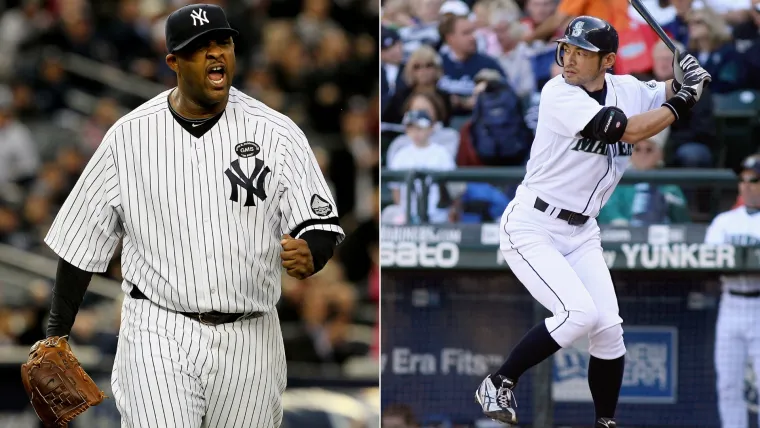
The Yankees were “broken,” in Brian Cashman’s words. That’s why the veteran general manager made a clandestine escape from the 2008 Winter Meetings in Las Vegas.
Instead of hobnobbing with agents and executives on the Bellagio floor, he was in CC Sabathia‘s sunken Vallejo, Calif., living room, about to make the biggest gamble of the offseason. Cashman delivered what he called his “John Calipari” recruiting pitch, selling the Yankees.
Sabathia expressed hesitancy. The league was buzzing about friction in the clubhouse, and the left-hander hoped for a West Coast landing spot. Cashman laid his cards on the table: Yes, there were issues, but that’s why they needed someone like Sabathia to bring them together.
As for New York, Cashman knew the big man would love it — and if he didn’t, he promised to let him out of his contract. Sabathia accepted, and everything they talked about that afternoon came to fruition: Sabathia is entering the National Baseball Hall of Fame and Museum in Cooperstown, N.Y., with a Yankees cap etched on his plaque.
 Suzuki and Sabathia got in with ease on their first ballot chances. It took ten such votes for Billy Wagner, and he nearly wound up duplicating his near-miss history where he was a dominant closer for teams that ultimately won after he had already departed. His Houston Astros finally made a World Series in 2005 two years after he left for the Phillies; Philadelphia got their trophy two years after he departed for the Mets; the Mets went into a deep dive after he was on three teams that missed by a swing in going to a Series and then closed out Shea Stadium’s history with two consecutive late-season swoons that left them out of the post-season entirely. But 422 saves and a 100 mile per hour fastball look a lot better in hindsight as time goes on, so at least today Billy the Kid will be on top.
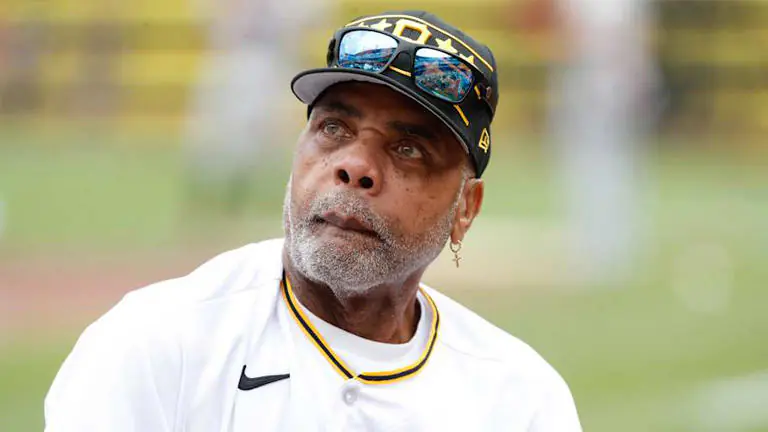
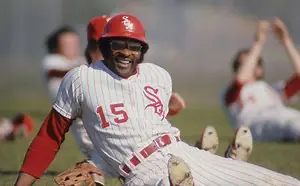 And fan bases from nearby Pennsylvania that are more likely to be using Consumer Cellular plans will be drawn to posthumously honor two imposing figures from their youths. Dick Allen began as a rebellious but dangerous Philadelphia Phillie named Richie, frequently a headline-maker with his outspoken demeanor. After becoming too much for the then-traditional Phillie management to handle, he eventually made his way to the Chicago White Sox where he enjoyed late career success as a member of one of the few competitive teams to play at Comiskey Park since their 1959 World Series loss. On the other hand, Western Pennsylvania fans will fondly and poignantly recall “The Cobra”, the fleet and lithe Dave Parker, who did deliver them a title in 1979 and sadly passed from the torture of Parkinson’s disease mere weeks ago.
 It’s a true Hall-Star lineup. And a damn perfect setting for them all. Once that rain stops, that is.
Courage….