

Every once in a while, you read something that makes you feel like the game quietly turned a corner while you weren’t looking. That’s how ESPN’s piece on Driveline Hitting Lab hit me, especially with MLB rolling out robot umps this year.
For years fans have argued that the strike zone is like a personality trait. Fans would say, This guy gives the low strike or You won’t get that pitch off this ump. Entire at-bats became little negotiations based on who was behind the plate and how much you could sell a frame. In 2026, at least when the challenges are used, all that gets shoved to the side. The cameras get the final word.
That’s the part that makes what Chicago White Sox Catcher Edgar Quero did this winter feel so smart. He didn’t just go somewhere to clean up his swing in the generic way we’ve heard a thousand times. He went to a lab that treats his body and his bat like a physics problem, and rewires him from the ground up. In a world where the zone is no longer as negotiable, that’s exactly the kind of thinking hitters are going to need.
Because let’s be honest here, Quero was not a finished monster last year. Interesting young catcher, yes. Franchise-carrying bat, not yet. Plenty of contact, not enough thump, and the kind of batted-ball profile that makes pitchers sleep well. In the old model, you hope the natural second-year jump shows up. In this new model, you bolt sensors to the bat, put the kid on force plates, film every swing in slow motion, and find out *why* the ball isn’t jumping.
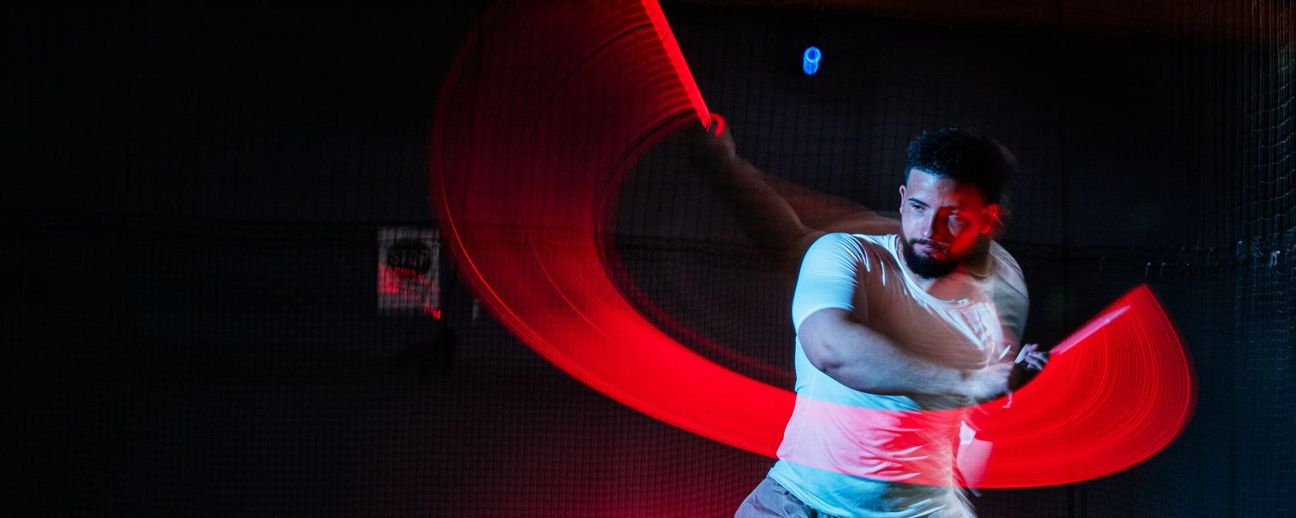
And what they found with Quero is the kind of thing old-school eyes would never see. Not you’re pulling off or you’re drifting. Instead, they found that his bat is slower than it should be, he’s catching the ball too deep, and his lower half isn’t doing its fair share of the work. The ball is meeting the bat after the damage window has already closed.
Now drop that hitter into a league where pitchers are training to live on the thinnest legal edge of a strike zone that’s defined down to decimals. The old Just battle with two strikes cliché doesn’t cut it anymore. If a pitcher can clip the top rail of the zone on purpose and then dare you to challenge it, you’d better be able to either spit on it confidently or get the barrel there on time.
That’s where Driveline’s model and robot umps intersect in a really interesting way. If the zone is going to be more consistent at the edges, then the game becomes about who can weaponize those edges better. Pitchers will try to win with perfect execution there. Hitters have to respond with bodies and swings tuned to those same borders.
So you start to see why they’re obsessed with bat speed and contact point. If the cameras say, This pitch at the very top is a strike, that pitch is only hittable if your bat is fast enough and your mechanics are clean enough to get on plane early and meet it out front. If the bottom edge is locked in, you can’t live on Well, usually that’s a ball. You either learn to lay off it consistently, or you find a way to hammer the one that actually leaks a hair higher.
The other piece here is decision-making. The ABS challenge system hands hitters and catchers a new kind of power. Now hitters and catchers can literally check the math. But that only matters if you actually know the zone. That’s where the lab work and the robot umps start to feel like two halves of the same homework assignment. Train your swing to the real zone, then train your eyes to it, then trust the tech to back you up when you’re right.
For a catcher like Quero, this is a career-defining fork in the road. Catchers have made a living for a decade by being artists on the fringes — the quiet glove move, the body language, the little tricks that turn balls into strikes. Now the most important borderline pitches can be yanked out of that gray area and sent upstairs to the cameras. Framing still matters, but it’s not the only superpower anymore. Offense, game calling, challenge strategy — all of that grows in importance.
That’s why fans should love that he didn’t treat this offseason like a light tweak. He went all-in on the idea that his current body and swing are just Version 1.0. You start changing how you jump, how you land, how your hips fire, even what pitches you train against just to force better movement patterns. That’s not chasing a quick fix; that’s accepting that 2026 baseball is a different sport than 2016 baseball, and your development needs to match it.
And here’s the uncomfortable truth for the rest of the league. This won’t stay optional for long. The first movers — the players and teams who lean into this marriage of biomechanics and a fixed strike zone — are going to steal the edges. They’ll know which pitches are actually strikes, which ones are bait, and exactly how to turn the rare mistake into damage. Everyone else will be arguing with the new reality while they’re getting left behind.
We can debate all day whether robot umps are good for the game. I get both sides. We lose some charm, some human chaos, some Earl Weaver vein-popping moments. But that ship has sailed. The strike zone is going to be more defined than ever. The only real question left is who adapts.
Here’s the thing, folks: When we see a young catcher in a warehouse full of cameras and force plates, learning how to move differently so he can hit differently in a league that calls strikes differently, I don’t see a gimmick. I see the future sneaking in the side door.
With that…. The zone will be getting sharper. The players who sharpen themselves to match it are the ones we’ll still be talking about five years from now.
If you cannot play with them, then root for them.