

Apple did something it does best this week completely controlling the technology news cycle. By announcing a massive leadership transition just weeks before the developer conference season kicks off, they’ve ensured that the usual pre-event rumors are replaced by the gravity of a new era. It’s a classic move from the Cupertino playbook — clearing the decks so that when they take the stage for WWDC, the focus can remain on the future rather than who’s in charge.
The headline, of course, is that Tim Cook has officially announced he will step down as CEO on September 1, 2026. This isn’t just a simple resignation. Nope, it’s a carefully staged passing of the torch. Cook has led the company for 15 years, a tenure that saw Apple transform from a successful consumer electronics brand into a global economic superpower.
Upon stepping down, Cook will take on the role of Executive Chairman of the Board of Directors. It is a deeply symbolic move, as this is the exact same position that Steve Jobs held for the last few weeks of his life in late 2011. It allows Cook to stay close to the heart of the company while giving the new CEO the space to lead.
When Cook finally hits that retirement date, he will have been working at Apple for 28 years. He was the man Steve Jobs recruited to fix a broken supply chain in 1998, and he eventually became the steady hand that navigated the company through its most difficult transition. His legacy is one of unparalleled operational excellence, a feat often discussed in deep dives like those found on Tech Crunch.
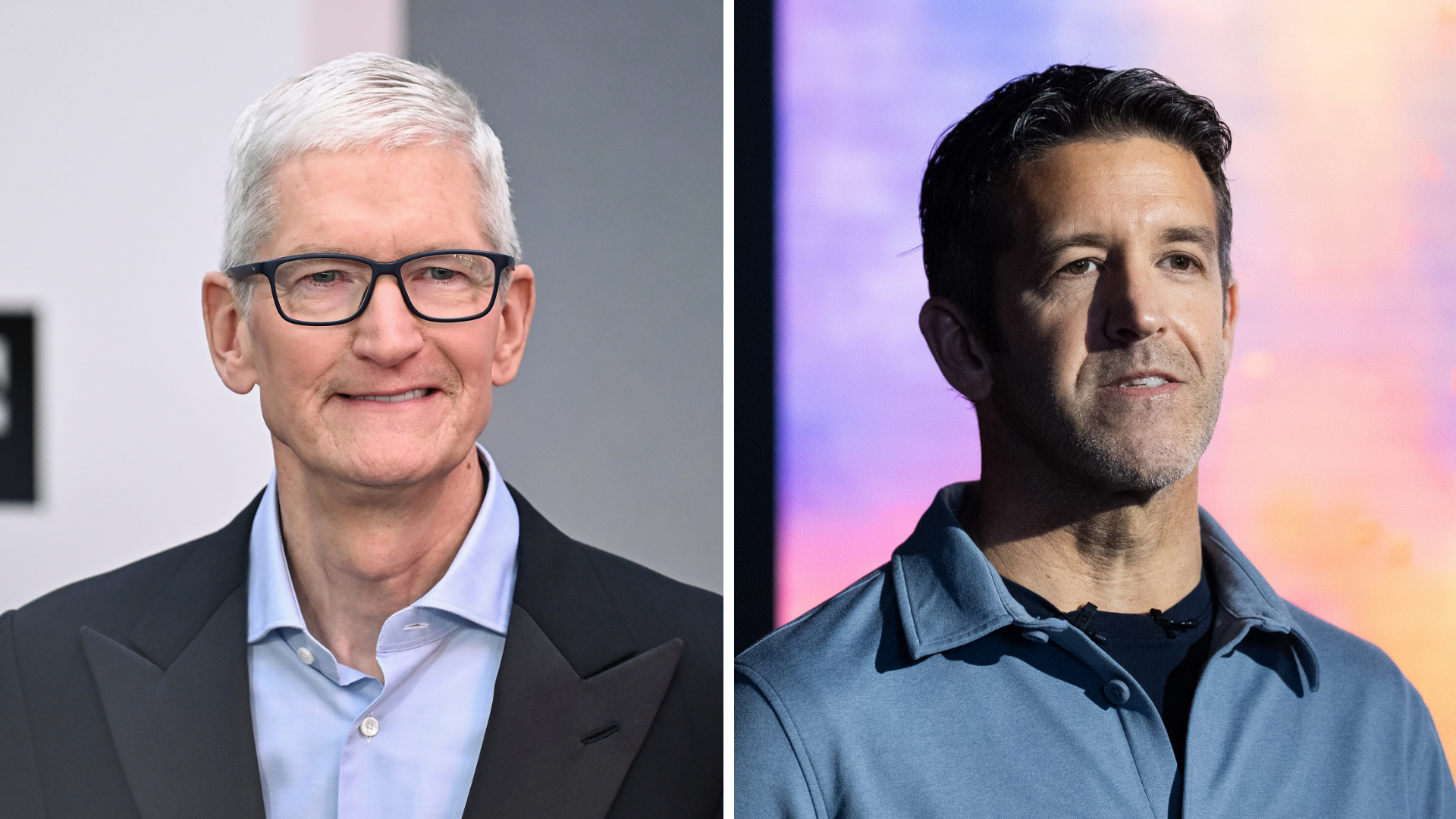
The man stepping into those very large shoes is John Ternus. Unlike many tech executives who jump from firm to firm, Ternus is a rare Apple lifer. Aside from a very short stint fresh out of college with a virtual reality company, Ternus has spent his entire professional career within the walls of Apple.
Having joined in 2001, Ternus has been there for every major pivot of the modern era. He’s seen the birth of the iPhone, the rise of the iPad, and the total reimagining of the Mac. His deep institutional knowledge and Apple-first DNA make him a natural choice for a company that values its culture above all else. You can find his full professional bio on the Apple Leadership page.
One of the more interesting parts of this shuffle involves Johny Srouji. There has been plenty of chatter over the last couple years that Srouji — the man who built Apple’s chip empire — might be the next CEO. However, on September 1, 2026, he will instead be promoted to Chief Hardware Officer.
This move is a strong signal that Srouji is getting exactly what he wanted. Since he is only a few years younger than Cook, he is likely looking toward his own retirement in the next few years. Taking the CEO job would have meant committing to a decade of high-pressure public appearances and shareholder meetings.
By becoming Chief Hardware Officer, Srouji gets to stay in the lab, which is where his heart has always been. We have to remember that Srouji was the main architect behind the original A4 system on a chip back in 2010. That chip was the big bang for Apple’s internal hardware development.
Ultimately, Srouji is the reason why Apple Silicon and the M-series chips exist today. His work allowed Apple to break free from Intel and design computers that are faster and more efficient than almost anything else on the market. His impact is documented in technical breakdowns across sites like AnandTech, which have tracked Apple’s silicon journey since the beginning.
This transition feels different from the handoff in 2011. While Cook was the perfect operational CEO to follow a visionary founder, Ternus is expected to bring a different energy to the role. There is a growing consensus that Ternus will bring back the type of decisiveness that Steve Jobs made Apple known for when he returned to the company in the late 90s.
When Jobs took over as CEO for the first time in Apple’s history back then, he was famous for making quick, sometimes brutal decisions to simplify the product line. He focused on a few hero products and cut everything else. While Cook expanded the lineup to include dozens of different models, many expect Ternus to lead with a product-first mentality.
As a hardware engineer by trade, Ternus has a reputation for being obsessed with the how and why of a device. He doesn’t just look at the margins. He looks at the hinges, the displays, and the tactile feel of the hardware. This focus on the physical object is a return to form for Apple.
The official changeover in September will mark the beginning of Apple’s third major act. The first was the era of Jobs’ visionary creation. The second was Cook’s era of global scaling. Now, the Ternus era looks to be one of refined focus and technical mastery.
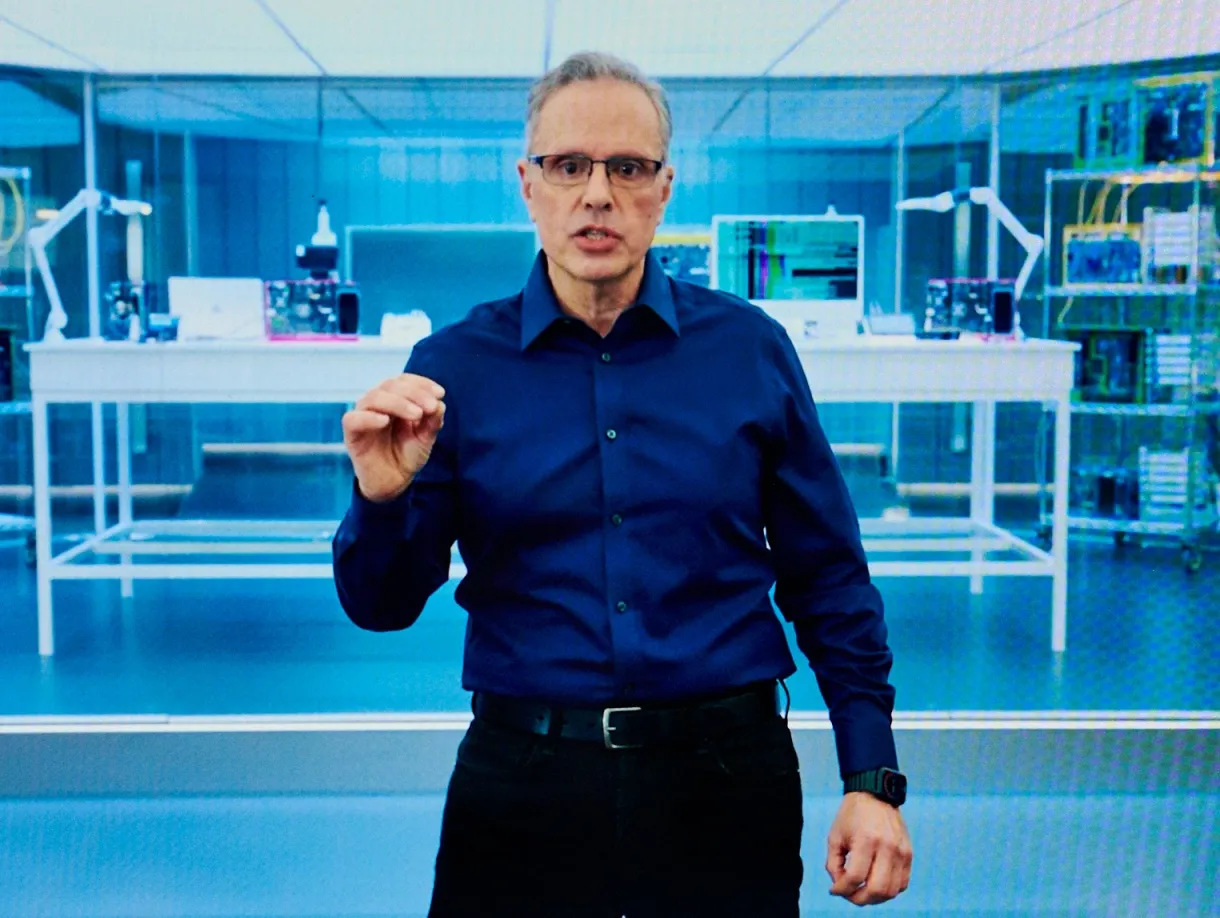
By keeping Srouji in a technical leadership role and moving Cook to the board, Apple has created a safety net for Ternus. He has the institutional wisdom of the past and the technical powerhouse of the present supporting him as he leads Apple into a future likely dominated by spatial computing and AI.
Here’s the thing, folks: For the average consumer, things might not look different on day one. But internally, the vibe is shifting. The decisiveness of the late-90s — the willingness to kill off underperforming projects and bet the house on one great idea — is reportedly making a comeback.
With that… As we look toward the upcoming developer conferences, keep an eye on Ternus. He is no longer just the guy talking about the new iPad Pro. Nope, he is the man who will define what technology looks like. The news cycle might belong to Apple this week, but at least the next decade will belong to John Ternus.
When you follow them closely day-in and day-out it is impossible not to have a take on the big changes at the helm!