

The MLB All-Star break is barely in the rearview mirror, and you can already feel front offices shifting from let’s see what we are to OK, what can we go buy? In a year where more than two-thirds of the league is within shouting distance of a playoff spot, the buyers’ pool is crowded, but a few clubs are clearly walking into the store with a credit card and a list.
At the top of the no-doubt buyers pile you’ve got the usual suspects: Dodgers, Braves, Phillies, Yankees, Rays, Brewers and Cubs. These are the teams that not only project as playoff clubs but also have both the motivation and the resources to add impact talent, especially on the mound.
The Dodgers are openly hunting for another high-end starter, which feels almost like an annual tradition at this point. Atlanta is in a similar boat, looking for rotation help and at least one bat to deepen a lineup that’s good but not bulletproof. Philadelphia, having yanked itself out of an early-season funk, is back in win-now mode and eyeing pitching plus a right-handed outfield bat to balance things out.
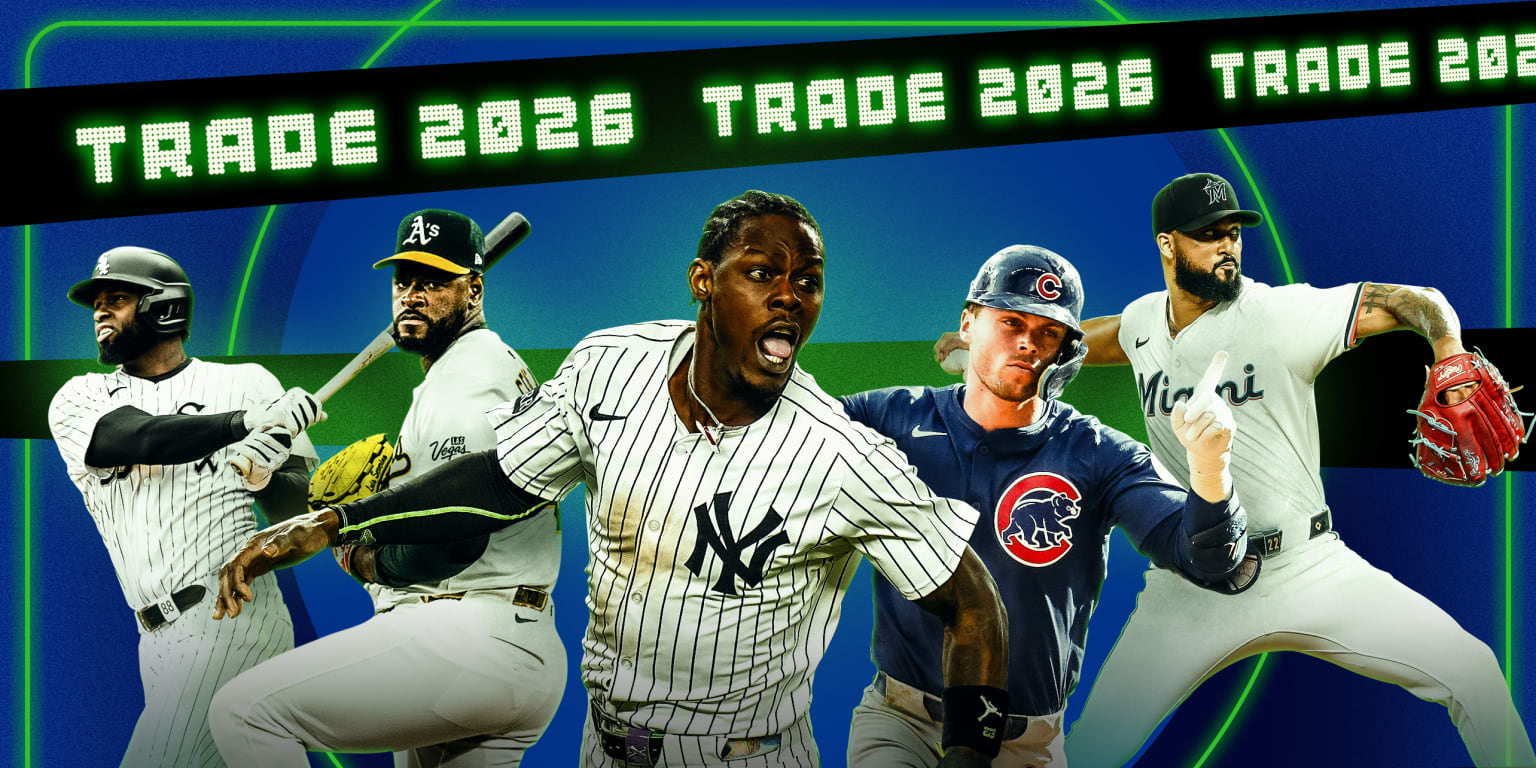
The Yankees might be the most this is our window, we’re spending team in the American League right now. They’re reportedly after catching help and late-inning relief, with fireballer Mason Miller sitting near the top of their wish list. When you’re sitting on some of the best World Series odds in the sport and you have the payroll to match, you don’t overthink it — you go patch the obvious holes and worry about tomorrow later. The Rays, meanwhile, continue to break the small market stereotype; they’re in on bats, catching and even big-ticket arms like Tarik Skubal, trying to supplement a roster that’s already near the top of the AL standings.
The Brewers and Cubs feel like classic deadline buyers in different ways. Milwaukee has already dipped into the market for rotation help and still wants more insurance behind their frontline guys, plus bullpen depth for October-style leverage games. The Cubs are loudly in the pitching aisle too, hunting both starters and relievers, and they have a farm system rich in hitters they can afford to move if the right deal pops up. Neither club has the financial muscle of a New York or Los Angeles, but both have enough prospect capital and a clear contention window to justify paying deadline prices.
Beyond that top tier, you’ve got the probably buying unless the next two weeks go off the rails group — Mariners, Guardians, Astros, Rangers, Red Sox, Marlins, Cardinals, Diamondbacks, and Pirates all fit varying shades of that description. Seattle, for example, is talking and acting like a buyer, looking at more rotation and bullpen depth as they try to push over the hump in the AL. Cleveland has quietly hung around the race and has the kind of prospect depth that lets them make a modest splash without detonating their long-term plan. Houston and Texas both have inconsistent but dangerous rosters and obvious pitching needs, which usually leads to some level of buying in July, even if it’s more targeted than blockbuster.
Baltimore is one of the more interesting cases — under .500 at points, but still publicly signaling they intend to buy because the AL is so muddled and they know their window is now. The Padres fall into the same high-variance buyer bucket; A.J. Preller has never met a deadline he didn’t want to treat like a fantasy draft, and even with some regression, that roster has enough star power to justify adding rather than subtracting. If San Diego decides to shop from its elite bullpen or move controllable pieces creatively, they could both buy for the present and reshape the roster for the next couple of years at the same time.
Then you’ve got the hinge teams that might not look like slam-dunk buyers on paper but are acting like it because of timing and context. Detroit is the prime example, sitting in that giant cluster of AL clubs within range of a Wild Card and holding the single most coveted trade chip in Tarik Skubal.
Whether they move him or not, the Tigers’ recent surge has pulled them closer to add a piece or two and see if we can make noise than strip it for parts. The Red Sox and Twins have gone from trendy sell candidates to eh, maybe we should ride this hot streak and reinforce instead, reminding everyone how quickly one good month can flip a team’s deadline posture. Pittsburgh’s offense has been one of the better stories of the first half, and while ownership may not greenlight a huge payroll bump, the club is at least considering adds that don’t crush the budget.
Here’s the thing, folks: The wild card in all of this is how tight the standings are. When twenty-plus teams are within a few games of a playoff spot coming out of the break, nobody wants to be the first to hang a For Sale sign, which only drives up the price for the few true sellers out there. That dynamic almost forces some contenders to lean into buying — if you’re the kind of club that hasn’t picked in the top five for years and believes you’re one good stretch away, you feel almost obligated to go find that extra starter or high-leverage arm.
With that . . . As we roll through the dog days, expect the conversation to center on how aggressive those clear buyers are willing to be and which of the maybe teams decide they’re actually yes. The contenders know October is going to be a gauntlet, and in a market where pitching is scarce and impact bats are clustered on a few rebuilding rosters, sitting it out isn’t much of an option. This year’s deadline feels less like a clean buyers-and-sellers split and more like a spectrum — but there’s no question that a heavy chunk of the league is about to start pushing chips in and hoping the moves they make in late July and early August are the ones they’re still talking about in champagne-soaked clubhouses a few months from now.
If you do not play with them, then root for them!