

If you’ve watched much WNBA these last couple seasons, it’s hard to shake the feeling that the league has been behind the moment when it comes to Caitlin Clark, physical play, and basic player protection.
This isn’t about one hard foul or one viral clip; it’s about a pattern that fans can see with their own eyes. Since Clark entered the league in 2024, there’s been a string of controversial hits. A former 76ers orthopedic consultant recently laid it out bluntly saying that the amount and type of contact Clark is absorbing is troubling, especially when we’re now talking about blows to the throat that could be life-or-death if they land wrong. That’s not fans being dramatic on social media; that’s a doctor warning the league in plain language.
On top of that, Clark hasn’t exactly had a clean bill of health since turning pro. She’s dealt with a back issue, then a quad and groin injury, eventually getting shut down for the rest of the 2025 season — a move the Fever framed as protecting her long‑term future but which also underscored how much wear‑and‑tear she’s taken in a short period of time. When your biggest draw is off the floor because her body is getting hammered, it naturally raises questions about whether the overall environment — officiating, rules emphasis, and punishment for dangerous contact — is where it needs to be.
What really sets fans off, though, isn’t just the hits; it’s how the league, and specifically commissioner Cathy Engelbert, has responded. Early on, when people were already asking whether Clark was being targeted, Engelbert pushed back and framed everything as normal WNBA physicality.
She acknowledged that fans were flooding her inbox over the issue, and pointed to one upgraded foul (to a flagrant‑1) as evidence the league was sending a message and monitoring officiating consistency. On paper that sounds reasonable; in practice, people watching at home felt like the league was asking them not to trust what they were seeing on their screens.
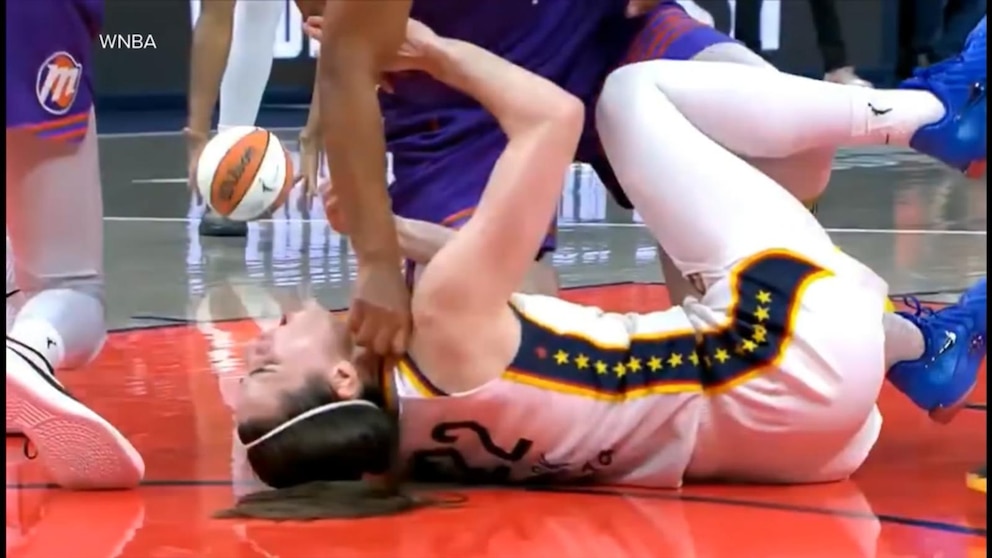
Fast‑forward to the Alyssa Thomas throat‑punch incident and the perception gap only widened. Clark takes a shot to the neck, no foul is called in real time, and outrage explodes when video makes clear how dangerous the play was.
Reports then surface that Engelbert initially leaned against suspending Thomas because, essentially, the refs hadn’t called anything on the floor — until Adam Silver, the NBA commissioner, stepped in and pushed for a one‑game suspension. Silver publicly said the league needs to improve officiating and acknowledged the broader controversy, but his involvement only made Engelbert look reactive instead of proactive on her own biggest storyline.
Even the league’s messaging has felt off to a lot of fans. When Engelbert released a statement recently, it strongly condemned hateful comments and threats directed at Thomas and her teammates — which is absolutely the right thing to do — but noticeably didn’t center Clark as someone needing support after being on the receiving end of the dangerous contact in the first place. If the commissioner’s most forceful language keeps arriving in defense of the player who committed the dangerous foul, rather than the player who took it, it’s not hard to see why fans question the league’s priorities.
Media voices have joined in, and not just the hot‑take crowd. Veteran journalist Christine Brennan ripped the league for how it handled a separate incident where Marina Mabrey shoved Clark to the floor, arguing Engelbert should have stepped up, called out the officiating mistake, and issued a suspension to make clear that this cannot be allowed for a player so central to the league’s growth.
Others have gone bigger, writing that with Clark stuck in the middle of repeated officiating messes, it’s past time for the WNBA to evolve and meet the moment, not just hope the controversy blows over. That’s the theme you hear over and over from fans: stop treating this like an unfortunate perception problem and start treating it like a structural one.
The irony is that Clark herself has tried repeatedly to pull away from the culture‑war narrative attached to her name. She’s spoken out about people using her to promote racist, sexist, and homophobic agendas, saying it’s disheartening and insisting that every woman in the league deserves equal respect.
Her own coach in Indiana, Stephanie White, has described her as a pawn in other people’s narratives, comparing the scrutiny she faces to what Tiger Woods and Serena Williams went through at their peaks. So you have a player asking to be treated like a basketball star, not a political symbol, while the league fumbles its way through one controversy after another instead of getting out in front of them.
That’s where leadership really matters, and where fans feel Engelbert has come up short. The commissioner keeps pointing to internal reviews, data showing injury rates are similar to past years, and the idea that officiating complaints are a constant in every sport.
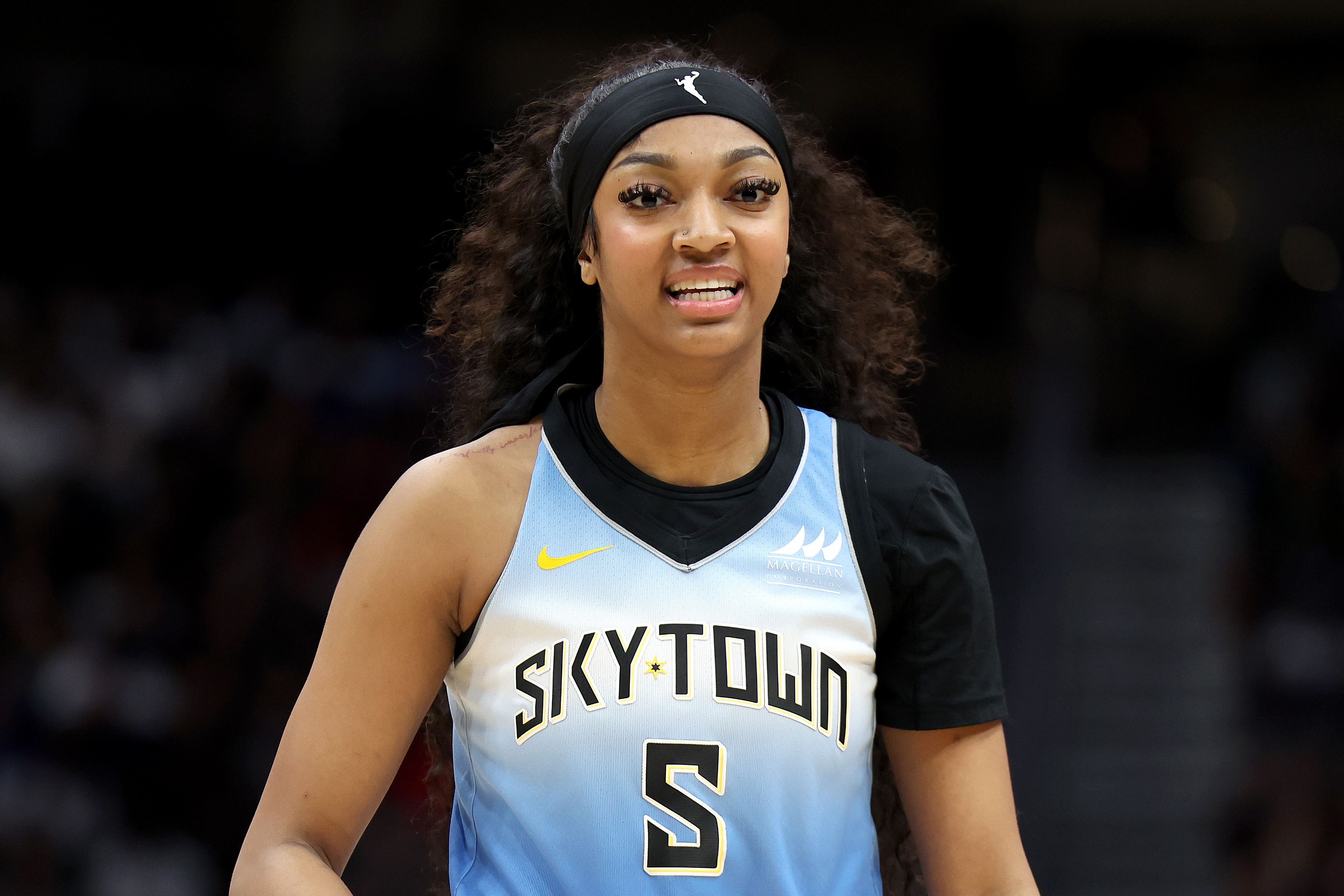
All of that might be true, but it misses the obvious: this league has never had a player change its gravity the way Clark has. Bigger arenas, new audiences, and a spotlight that exposes every missed call and every dangerous play in a way past seasons simply didn’t. When the environment changes that dramatically, business as usual isn’t really an option anymore.
So what do fans actually want? It’s not turning the WNBA into a no‑contact league — most people appreciate that the physicality is part of what makes it great. They want bright‑line rules around hits to the head and neck, automatic reviews for those plays, and consistent suspensions when the footage shows something that could seriously injure a player, regardless of what the original call was.
Here’s the thing, folks: Fans want the league to protect everyone — Clark, Thomas, Reese, Collier, veterans and rookies alike — so the conversation can go back to matchups, storylines, and the basketball itself.
With that . . . The WNBA needs to stop balancing PR narratives and put player safety first and use the phenomenal place they’re in terms of talent and attention, and Caitlin Clark has been a massive part of that surge, but growth comes with responsibility. Right now, too many viewers feel like they’re watching that responsibility get outsourced to the NBA, to journalists, and to the outrage machine instead of being owned by WNBA leadership.
If yo cannot play with them, then you want to see the league protect them.