

The Cubs’ 4-3 loss to the Brewers on Monday offered a clean look at matchup baseball in action, with Ian Happ starting on the bench and entering only as a pinch-hitter, going 0-for-1 with a walk against a Brewers bullpen that has given Chicago trouble. With Happ hitting just .221 on the season, manager Craig Counsell chose Tyler Taylor in left field instead, saving Happ for a specific, lower-leverage opportunity rather than trusting him with a full workload.
That single decision captures the tension every contending team faces late in a pennant race. The Cubs sit eight games back of the first-place Brewers in the NL Central and cannot afford to give away winnable games hoping a struggling veteran rediscovers his swing.
Pedro Ramirez homered, Alex Bregman drove in the go-ahead run, and Pete Crow-Armstrong added a ninth-inning blast, but Chicago’s bullpen allowed three runs in the eighth and the Cubs fell to Milwaukee for the second straight loss. In a game decided by bullpen quality, every individual roster decision, including how much to lean on Happ, carries extra weight.
There is a difference between benching a player and managing his matchups. A true benching suggests a team has lost confidence entirely; matchup management says the value is still there, but more likely to appear in certain spots. Happ remained on the active roster and available late, which signals the Cubs still see him as useful, just not as an everyday, no-question starter against every look he faces.
Modern managers have more information than ever to make these calls. Splits against certain pitch types, recent contact quality, and bullpen tendencies all factor into whether a struggling hitter starts or waits for a pinch-hit chance. Counsell’s choice to use Happ as a substitute rather than a starter in a game with real playoff stakes reflects that data-driven approach rather than a simple loss of faith.
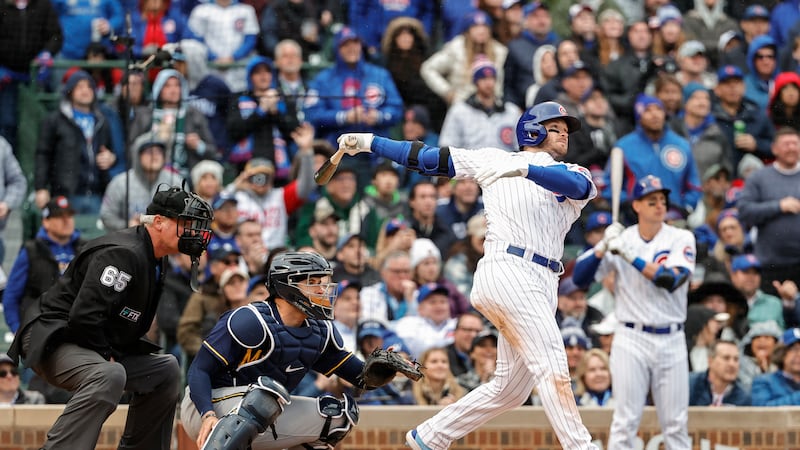
Still, there’s no clean answer here, which is why this debate is six of one and half a dozen of another regardless of whether a team is playoff bound. For a contender like the Cubs, the case for limiting Happ is obvious. The standings don’t care about reputation or track record, and a better matchup tonight might mean a better result tonight. But the opposing case is just as real. If the Cubs believe Happ can still be part of a postseason-caliber lineup, they need him getting enough rhythm and reps to actually rediscover his stroke before October arrives.
The same tension would exist even if they were out of contention. A non-contending team can afford to let a slumping veteran work through it, using games as low-stakes reps. But it also needs answers. Is the underlying skill still there, or does the roster need to change? Sitting Happ against Milwaukee’s bullpen doesn’t resolve that question either way; it just delays it.
That’s the core problem with letting matchup management drift without a clear plan. If Happ is sitting against certain relievers or starters, there should be a defined reason rooted in specific weaknesses. If he’s still playing regularly elsewhere, there should be genuine belief his underlying numbers can turn around. The worst outcome is a season spent neither developing alternatives nor letting Happ play his way out of a slump — just reactive, game-to-game hesitation.
Once the playoffs begin, though, this approach has to change. Matchups still matter in October, arguably more than ever, but a team can’t enter the postseason still unsure what it has in a key veteran. The postseason is too short and too unforgiving for auditions. If Happ makes the Cubs’ playoff roster, Counsell needs to know exactly how he plans to use him.
Here’s the thing, folks: Monday’s Cubs loss in Milwaukee is a small but telling example of the broader matchup dilemma every contender faces down the stretch — experimenting, hedging, and trying to squeeze value out of situational decisions without fully committing either way.
With that . . . That’s a defensible approach in September, when there’s still time to gather information and let a plan evolve. It won’t be defensible in October, when hesitation on a roster spot or a lineup call can end a season in a single elimination-style series. By then, contenders need clarity, not more matchup guesswork.
If you cannot play with them, then root for them!