
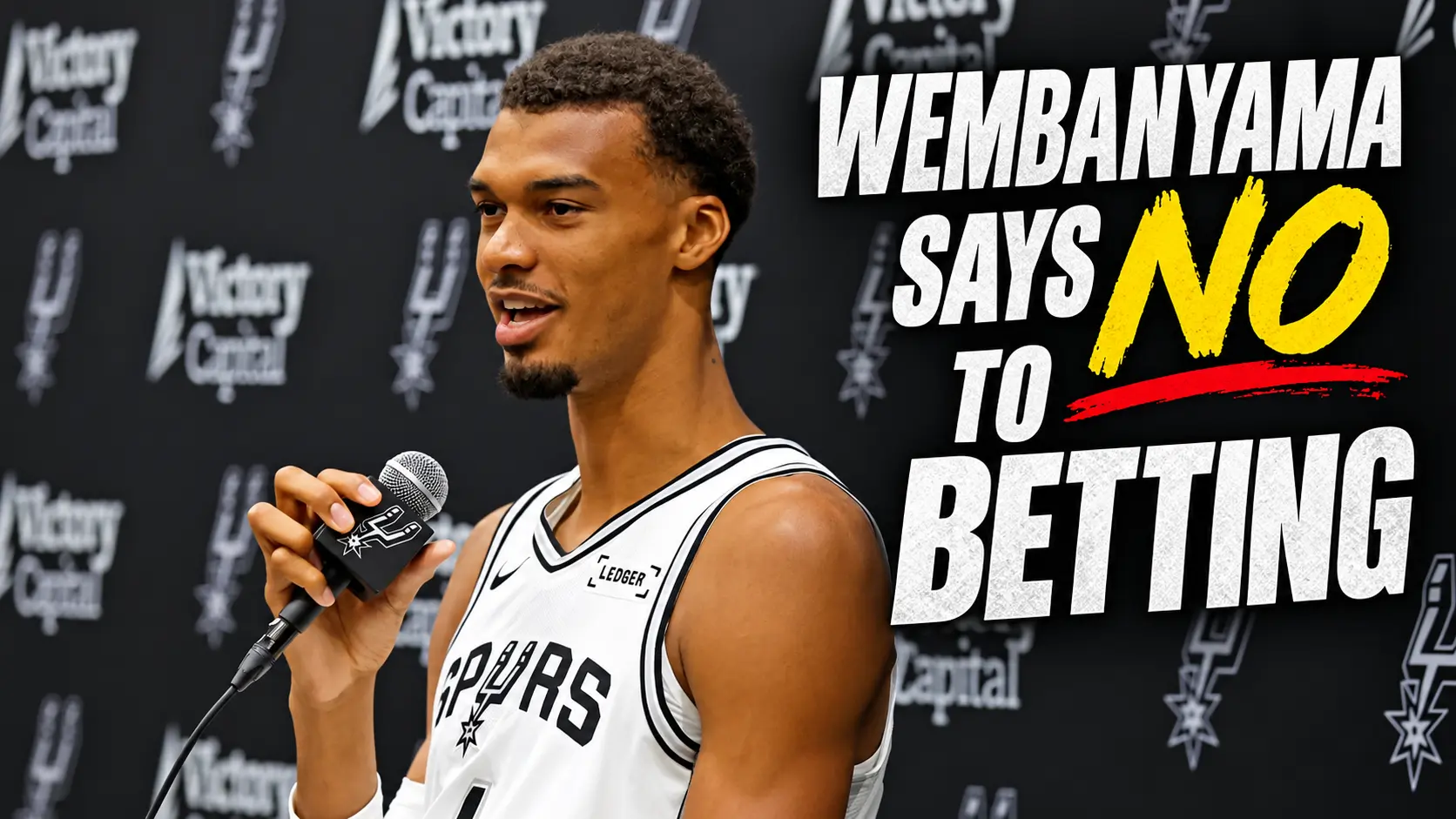
Victor Wembanyama made a powerful statement when he said he would never promote a sports betting company. The San Antonio Spurs star drew a clear moral boundary in a sports culture where gambling advertisements, live odds and betting partnerships have become hard to avoid. Asked whether he would consider such a deal, Wembanyama answered, Absolutely not. I will never do that, adding that it was very sad to see players promote betting.
That answer should matter to fans because it was direct and rooted in values rather than public-relations caution. Wembanyama said he has rejected more endorsement money than he has accepted when offers did not align with his principles. He also said an athlete’s greatest strength is not earning millions but inspiring people, and that he wants to use that influence positively.
From a fan’s perspective, this is exactly the kind of leadership professional sports needs. We all know that every adult who bets will develop an addiction. Many people bet occasionally without losing control. The concern is that gambling can become addictive, financially damaging and emotionally destructive.
Gambling disorder is a recognized condition in which repeated betting continues despite serious problems in a person’s life. When betting is built into broadcasts, apps and conversations around every game, it can stop looking like a risky activity and start appearing to be a required part of fandom.
That normalization is why an athlete’s endorsement matters. A commercial featuring a superstar does not merely introduce a product. It lends the athlete’s reputation, popularity and credibility to that product. Young fans may not be eligible to bet, but they still see the advertisements and absorb the message.
When they reach legal betting age, a sportsbook app can already feel as familiar as a sneaker company or sports drink. One NCAA survey found that 58 percent of 18- to 22-year-olds had participated in at least one sports-betting activity, illustrating how widespread wagering has become among young adults. Wembanyama is refusing to help strengthen that association.
His position is powerful because he is not an aging athlete with little commercial appeal. He is one of basketball’s most visible young stars and has partnerships with brands including Nike and Louis Vuitton. Saying no when companies are eager to use his image gives the decision weight. It is easy to praise principles when nothing is being sacrificed. Turning away potential money demonstrates that his standards have an actual cost.
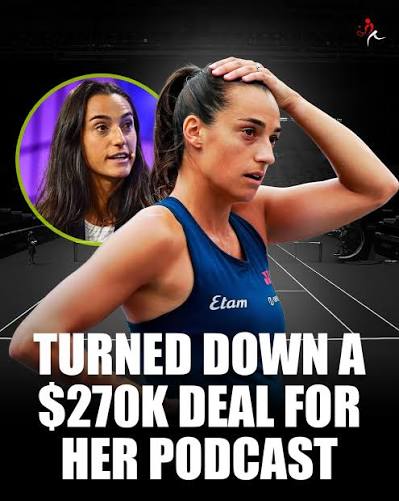
Wembanyama is not the only prominent athlete to draw such a line. Former tennis star Caroline Garcia said she rejected a $270,000 offer to sponsor her Tennis Insider Club podcast. Garcia explained that gambling had become a major source of pressure, abuse and hatred in tennis, and that she did not want her platform contributing to something that fuels addiction and damages lives.
Former soccer player Frédéric Kanouté objected to gambling promotion while playing for Sevilla. He refused to wear the club’s 888.com-sponsored shirt on religious grounds and covered the logo, eventually receiving an accommodation from the club. Rugby star Sonny Bill Williams refused to wear a Betfred logo on his Toronto Wolfpack kit, explaining that advertising gambling conflicted with his religious beliefs.
Cricket stars Babar Azam and Mohammad Rizwan have taken similar positions. Reporting indicates that both rejected lucrative offers connected to surrogate betting brands, while Rizwan also refused to display such a sponsor’s logo on his playing kit. Their stated position was that they did not support betting or surrogate betting companies.
The motivations are not identical. Some athletes object because of faith, others because of addiction concerns, athlete harassment or the broader effect gambling has on sport. Yet it is important to realize that the receiving an offer does not create an obligation to accept it. Athletes can decide that certain money is incompatible with the example they want to set.
Fans should welcome Wembanyama’s decision without demanding that every player reach the same conclusion. He acknowledged that others can make their own choices, but he would not participate. That is a more meaningful form of leadership than delivering a vague responsible-gambling slogan while collecting a betting company’s check. He is not telling adults how to spend every dollar. He is simply refusing to use his influence to steer them toward an activity that can become harmful.
Here’s the thing, folks: There is also an important message here for children and teenagers. Leadership is often presented as speaking loudly, winning championships or taking charge in a huddle. Sometimes it is better to choose what not to sell, recognizing the power of one’s image and understanding that younger people are watching. Wembanyama is demonstrating that success does not require monetizing every opportunity.
With that . . . Victor’s comments are refreshing because sports should still be enjoyable without every possession, pitch or point becoming a financial proposition. Wembanyama’s stance protects that idea while showing concern for adults vulnerable to addiction and younger fans still forming their understanding of sports. He may be known for his extraordinary reach on the court, but by rejecting betting endorsements, he is showing that his sense of responsibility can reach beyond it.
If you cannot play with them, sometimes their decisions off the court make it easier to root for them!