

The Verge reported back in October that Microsoft CEO Satya Nadella was stepping back from sales and marketing oversight to focus on AI and data centers. Today’s Binary Response breaks down that piece from our perspective on what it really means for Microsoft’s future — and how it ties into the bigger game of CEO succession planning at tech giants like Microsoft. Please sign up to get our Binary Response articles directly in your inbox!
This reshuffling of Microsoft’s leadership happened back in October. Let’s be clear though, Satya Nadella remains the CEO — at least for now. And honestly, that’s the first thing people miss when they read The Verge’s take.
This isn’t some dramatic exit strategy or a sign that Nadella’s checking out. No, it’s a savvy power move by a leader who’s been at the helm since 2014, quietly training a successor while doubling down on core strengths. In other words, the ship stays on course through the AI revolution. Nadella’s handing off the day-to-day sales grind to Judson Althoff, his longtime commercial chief, so deeper focus can go toward AI strategy and data center buildouts. Smart? Absolutely. Because Microsoft’s next trillion dollars won’t come from schmoozing enterprise clients — it’s coming from nailing the infrastructure that powers AI.
Following Big Tech for years shows this as classic Nadella. Back when he took over from Steve Ballmer, Microsoft was a bloated mess, Windows-centric and irrelevant in mobile. The pivot came to cloud with Azure, embracing GitHub, and betting big on OpenAI before anyone else. Now, with AI eating the world, it’s not just talk — the job itself is restructuring to match.
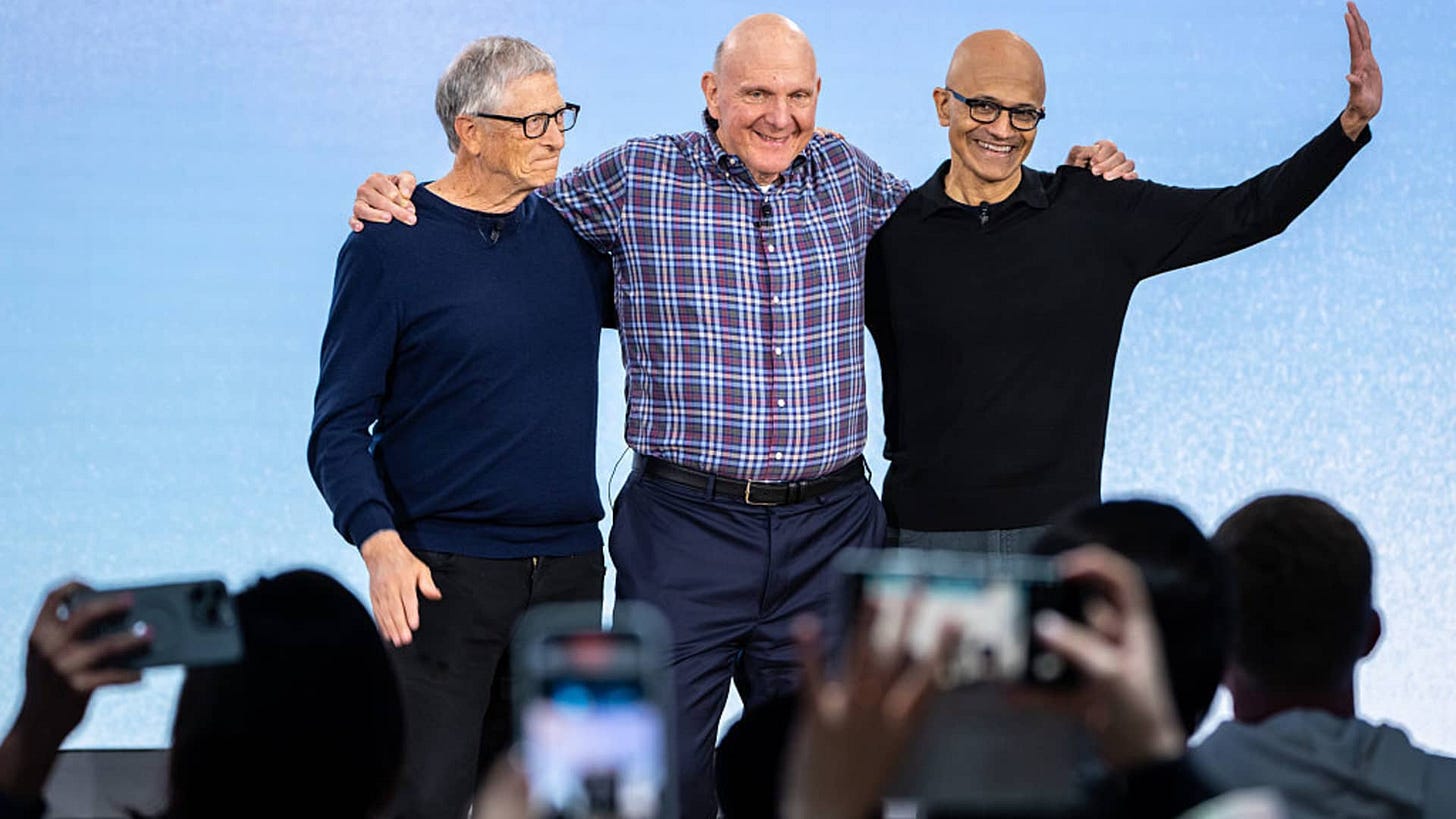
Promoting Althoff to CEO of Commercial Business in that October memo? That’s not just a title bump. It puts sales, marketing, operations, and the whole revenue engine under one roof, freeing Nadella to geek out on the tectonic AI platform shifts, as the memo put it. The Verge framed it well, tighter engineering-go-to-market alignment, but really, it’s a clear message — the commercial beast gets built, now run it while the future gets architected. This is brilliant leadership. Most CEOs cling to every lever; Nadella delegates to elevate.
Digging deeper reveals succession planning in disguise. Nadella hits 15 years as CEO in just a few years, that is an eternity in tech. Tim Cook’s at 15 years now, and Apple’s running the same playbook. Nadella’s not old — just 58 — but wise enough to know no one’s indispensable. Elevating Althoff gives the board a battle-tested heir apparent managing what amounts to a $100 billion+ business unit. P&L responsibility, massive sales teams, global ops — that’s CEO boot camp.
If Althoff crushes it (early signs say he is), the transition’s seamless. No messy external search, no investor panic. The smart money says this grooms a replacement right under everyone’s noses. It’s not flashy, but effective, and in a company Microsoft’s size, stability trumps drama every time.
Speaking of Tim Cook, Apple’s doing something eerily similar, and it’s no coincidence. Cook’s been CEO since 2011, turning Apple into a $3.5 trillion technology empire on services and wearables while hardware innovation has been… iterative, to put it kindly. Reports are piling up about Apple ramping up succession planning, with hardware chief John Ternus as the frontrunner.
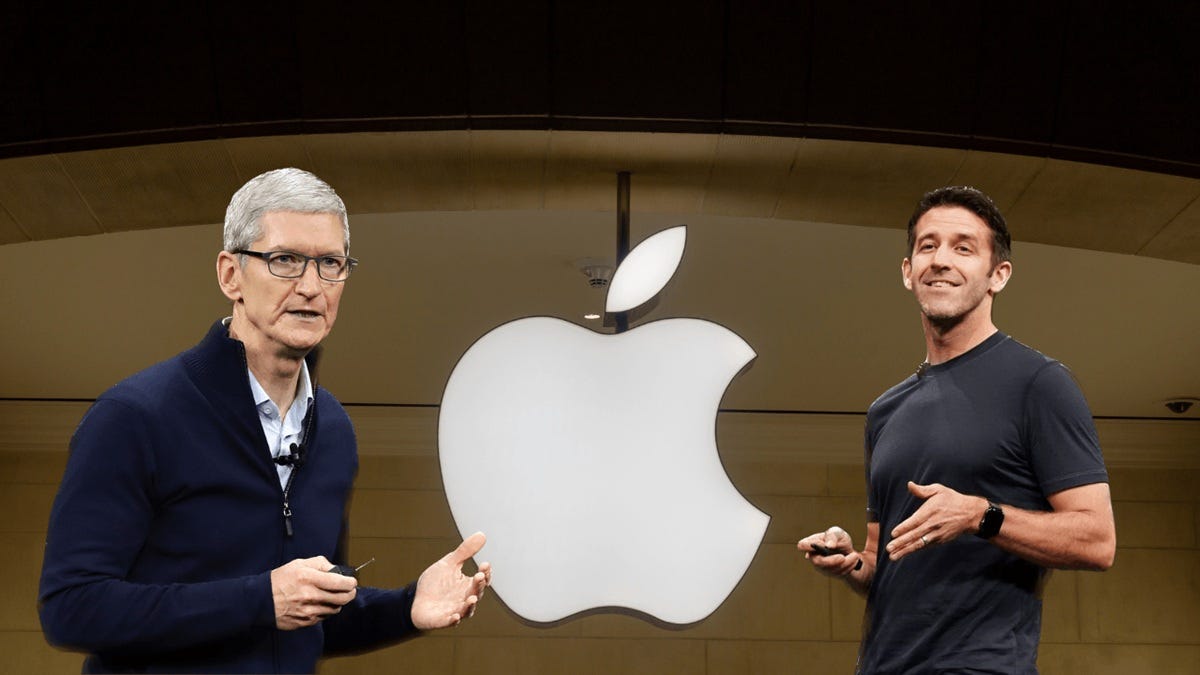
Just last month, Bloomberg revealed Ternus now oversees design — which massively screams next in line. Cook’s reportedly grooming multiple execs internally, but Ternus fits because he has deep product chops, and a low ego. Sound familiar? Nadella hands commercial to Althoff to own AI and Infrastructure decisions; Cook looks to Ternus to prove he can shepherd the hardware soul defining Apple.
Both moves scream that the CEO role in Big Tech is evolving. Gone are the days of the super-operator micromanaging everything. Nadella redefines it as Chief AI Architect, laser-focused on data centers as the real moat. Consider this — AI isn’t just software; it’s power-hungry monsters needing custom chips, cooling, and gigawatts of juice. Microsoft races Google and Amazon to build at scale, where margins live or die on efficiency.
Nadella diving into systems architecture? That’s betting the farm on owning the picks-and-shovels of the AI gold rush. Cook needs a hardware visionary to keep magic alive post-iPhone peak. Ternus expanding into design signals prep for a world where AI features in devices (hello, Apple Intelligence) demand flawless integration. These CEOs carve apprenticeships: Run this empire, prove ready, corner office awaits. Pragmatic, almost boring — but genius.
Don’t get it twisted — risks abound. What if Althoff fumbles the commercial handoff? Microsoft’s growth ties to enterprise deals, and AI sales cycles are brutal. Or if Ternus can’t innovate beyond incrementalism, Apple risks stagnation. Nadella and Cook stay light-years ahead by acting now, not in crisis. Nadella’s memo wasn’t leaked by accident; it signaled to Wall Street and employees: Built for the long haul. Same with Apple’s quiet promotions. Investors love continuity — Berkshire Hathaway coasts on Buffett’s grooming of Greg Abel. Tech’s no different.
Here’s the thing, folks: Big Tech admits 2010s growth hacks are over. Cloud was scale; AI’s survival-of-the-fittest infrastructure. Nadella’s shift prioritizes datacenters over demos, positioning Microsoft to dominate. Apple’s Ternus play keeps the brand premium while Cook exits gracefully.
With that… Nadella holds the big chair for now, spending less time in sales war rooms, more in server farms. The next battles turn technical, not transactional.
When the technology helps fuel your engine you have a different, and sometimes better, understanding of what the Giants are doing!