

Yesterday, my fellow writer on The Double Overtime wrote about CES over on his blog Leblanguage and it was exactly the framing I needed for today’s Binary Response piece on CES 2026 and what it says about tech conferences. Please sign up to get our Binary Response articles directly in your inbox!
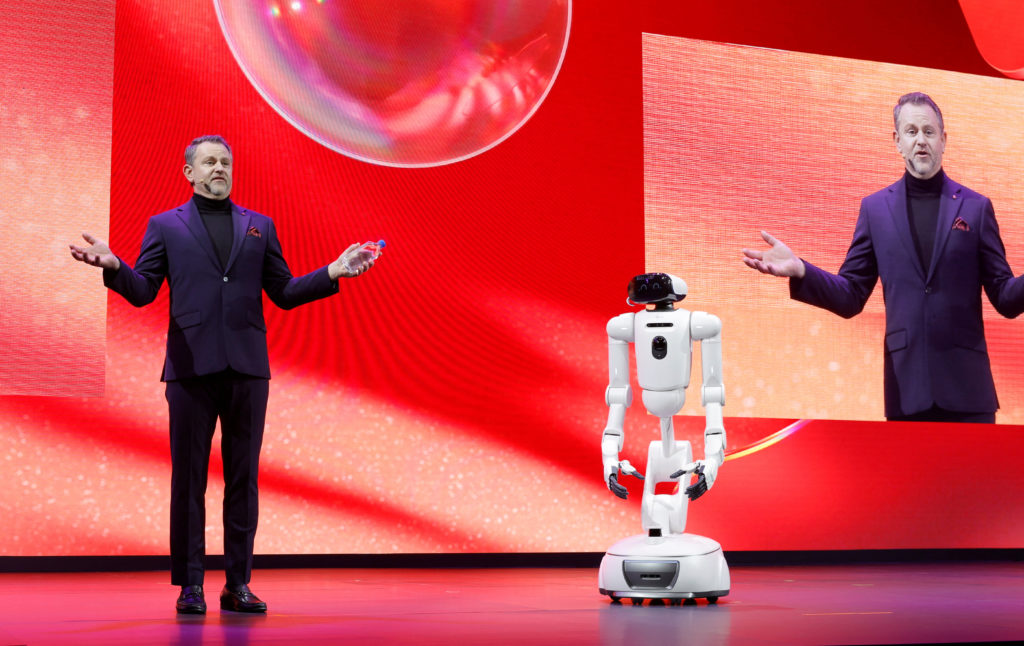
CES 2026 in Las Vegas has the usual massive crowds — tens of thousands of tech folks, journalists, execs, and gadget nerds packing over 2.6 million square feet of exhibit space. You’ve got AI everything, robot butlers dancing around, concept cars that look like they drove out of a sci-fi movie, and smart versions of stuff like forks, toilets, and mirrors that nobody really asked for. According to many reporters who are there walking those halls, it hits you: this is the post-holiday ritual that screams tech year starting now. The lights blaze, keynotes boom, and everyone’s buzzing about the next big thing that’ll supposedly change your life.
Steve Leblang nails it perfectly — the surest sign the holidays are over isn’t your empty fridge or the credit card bill, it’s CES lighting up the Vegas Strip. Humans still show up in droves, badges swinging, swapping war stories from last year’s supply chain nightmares, gossiping about layoffs at Big Tech, and hunting for that one demo that makes them text their boss, You gotta see this. It’s this electric mix of optimism and exhaustion, where you bump into old contacts, grab a lukewarm coffee, and pretend like the industry’s not eating itself alive. For a few days, it feels alive, relevant, like the place where tomorrow gets born.
But let’s be real — that energy is masking a slow rot. A huge chunk of the revolutionary stuff unveiled never sees a store shelf. Think about it, for every OLED TV or speedy laptop that actually ships months later, there are dozens of prototypes gathering dust — those crowdfunded robots that raise a million on Kickstarter then ghost their backers, AI fitness mirrors that promise to be your personal trainer but flop because the app sucks, or self-driving car concepts that stay firmly parked in the booth. CES thrives on headlines and viral clips, not follow-through. Companies drop these bombs to juice stock prices or land a VC check, but by March, most are forgotten. I’ve seen it year after year: the floor looks packed, but dig into what sticks, and it’s mostly incremental tweaks from the safe players like Samsung or LG.
That’s the killer for CES — it’s drowning in hype with too little payoff. Buyers fly in excited, leave jaded after getting pitched the same smart home vaporware. Journalists burn out churning 500 stories a day, most of which age like milk. Even exhibitors feel it; smaller companies shell out six figures for a booth, just to compete with gimmicks that steal the spotlight from solid engineering. The signal-to-noise ratio is tanking, and when genuine innovation can’t cut through the photo-op robots and pointless IoT junk, the whole thing starts feeling like a relic. It’s dying, not with a bang, but a slow, crowded whimper.
Apple saw this playbook coming a mile away with Macworld. Back in late 2008, they dropped the bomb: the January 2009 keynote — Phil Schiller standing in for ailing Steve Jobs — would be their last. After that, no more Apple presence at the show they’d basically owned for years. Macworld staggered on, shrinking each year, until by 2014 it was effectively dead. Why? The big fish realized they didn’t need some expo’s schedule to own the conversation. Apple pivoted to their own events — those glossy live streams from Cupertino that hit millions worldwide without a single hotel ballroom or badge line. No more fighting for stage time; they controlled the narrative, the timing, the hype. Macworld wasn’t special anymore; it was just another room in the noise.
CES is staring down the same barrel, and it’s vulnerable as hell. Sure, organizers brag about 4,000+ exhibitors, sessions on AI curing cancer or whatever, and billions in deals that probably never close. But the real giants — Apple, Google, Microsoft — aren’t dropping their real bombshells there anymore. They save the game-changers for their own stages, streaming to every screen on Earth. What CES gets? Updates to last year’s TVs, demos of moonshot tech years from viability, and flashy nothingburgers for Instagram. Nvidia might tease a chip, but the full reveal? Their GTC conference. Samsung’s foldables? Galaxy Unpacked. As more power players bail for self-serve spotlights, CES slides toward Macworld’s fate: a diehard party where the party’s clearly over for everyone else.
Here’s the thing folks: CES 2026 isn’t canceling flights or anything. Vegas loves it; it’s the convention season opener, pumping cash into hotels, cabs, and buffets. The Consumer Technology Association will keep hyping the partnerships, the transformative vibes, the innovators showing up. And yeah, there are gems buried in there — cool accessibility tech, legit mobility breakthroughs — but they’re needles in a haystack of hype. The floor buzzes, the monorail’s jammed, and humans keep coming, lured by FOMO and free swag.
With that… Those Macworld cracks are widening. When new tech flops 80% of the time post-show, and the heavyweights treat CES like a side gig, the drift accelerates. Buyers wise up and stay home with YouTube. Media skips for more reliable beats. Exhibitors pinch pennies on smaller booths. It’s not collapse; it’s erosion — one empty promise, one skipped keynote, one livestream poaching the thunder. Steve’s right: humans are still going to CES. For now. But how many more will desert it before everyone realizes the real action’s a click away, no jet lag required?
When you are a technologist you care less about the hype around products that will flop.