

With MLB’s slate of Opening Day games starting tonight in San Fransisco, this is supposed to be the moment when fans are arguing about rotations and lineups, not lawsuits and legal filings. Instead, on the south side of Chicago, the conversation is about Frank Thomas taking his old team, the Chicago White Sox, to court along with Nike and Fanatics over City Connect 2.0 jerseys that allegedly used his name and number without his permission. It’s a jarring headline during opening week, and an even stranger look considering Thomas already has his number retired on the South Side.
According to the complaint filed in Cook County, Thomas is suing all three parties for using his identity on City Connect 2.0 uniforms his familiar No. 35, which were sold online and in retail channels without any agreement in place. Thomas claims the defendants violated the Illinois Right of Publicity Act by profiting from jerseys that lean directly on the goodwill of his Hall of Fame career without compensating him or getting his consent. He’s seeking more than $50,000 in damages plus punitive damages and a jury trial — standard legal boilerplate, but still eye-catching given who’s filing it.
The New York Post adds more flavor, quoting the claim that Nike, Fanatics, and the White Sox were unjustly enriched by selling jerseys that leaned on Thomas’s name recognition without cutting him in. His legal team frames it as a straightforward right-of-publicity issue saying companies cannot use a person’s identity for commercial gain without permission, and they argue that’s exactly what happened. The filing also highlights Thomas’s long-standing efforts to control his brand, including trademarking Big Hurt, his nickname, and carefully managing his post-career image.
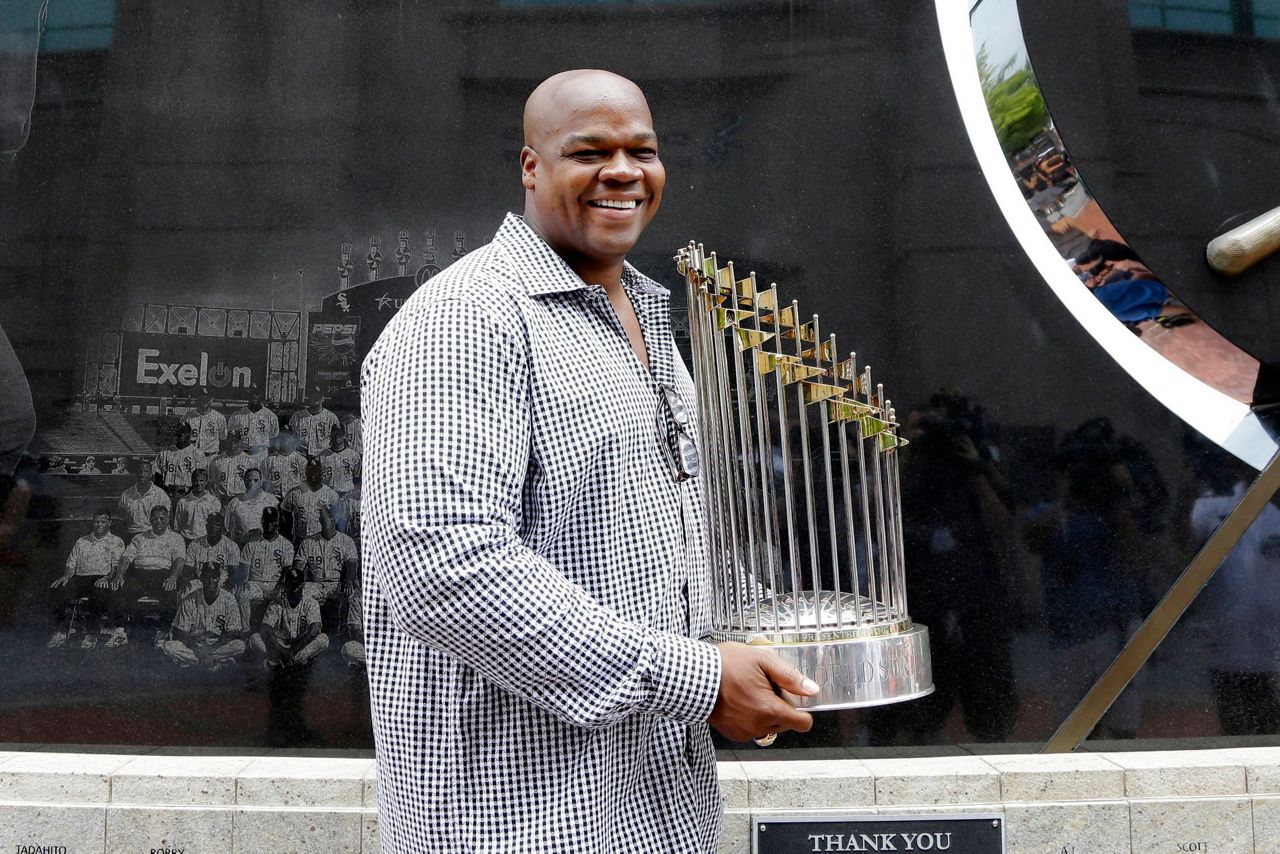
Where things start to feel off is the decision to include the White Sox. Thomas played 16 of his 19 seasons in Chicago, hit 448 of his 521 career home runs there, won two MVPs, and essentially defined the franchise for a generation. The team retired his No. 35 in 2010, and he entered the Hall of Fame in 2014 as a White Sox icon. For a fan base that watched him carry mediocre rosters for years, seeing Thomas v. White Sox on a case caption just before Opening Day feels more personal than a dispute with corporate apparel giants.
If anything, this looks like the kind of issue that should have been handled in a conference room, not a courtroom. From a practical standpoint, the real power in this situation lies with Nike and Fanatics, who run MLB’s uniform and retail ecosystem and would have driven the City Connect 2.0 rollout. The White Sox may operate a team store and have e-commerce ties, but they’re not setting global licensing terms or managing distribution at scale. Including them in the lawsuit — rather than leaning on the relationship and targeting the manufacturers — comes off as heavy-handed.
It’s also impossible to ignore the timing and recent tension between Thomas and the organization. Just last month, he publicly criticized the team for leaving him off a Black History Month graphic, despite being arguably the most accomplished Black player in franchise history. His response — highlighted by multiple outlets — didn’t read like a minor complaint. It sounded like the beginning of a larger grievance. That frustration, combined with any lingering issues behind the scenes, appears to have carried over into this legal fight.
This also isn’t Thomas’s first legal battle over his name and likeness. Years ago, he sued Reebok over retro Big Hurt sneakers, arguing the company revived his signature branding without approval or compensation. That case felt more straightforward, a company using his identity to sell a product without a current deal. This situation hits differently because it pulls his longtime team into the same conflict.
None of this is to say Thomas doesn’t have a valid argument. If his name and number were used without consent, there’s a legitimate conversation to be had about how MLB’s merchandising system treats retired players. Hall of Famers should absolutely have control over how their identity is monetized, especially in an era where player brands extend far beyond their careers. If this case forces tighter rules around consent and compensation, that’s a win for former players across the league.
But there’s a difference between holding major corporations accountable and dragging your former franchise into the same fight. The White Sox are far from a perfect organization, but including them in a right-of-publicity lawsuit over a jersey rollout feels like using a sledgehammer where a scalpel would have been enough.
Here’s the thing, folks: During Opening Week fans should be focused on baseball — on matchups, expectations, and whether the season might finally turn a corner. Instead, they’re left trying to reconcile an uncomfortable image: one of the greatest players in franchise history sitting across from the team in a courtroom.
With that… As the season begins, this lawsuit is a reminder that even the strongest relationships in sports can fray when money, control, and pride collide. Thomas has every right to protect his image, and if Nike and Fanatics crossed a line, they should answer for it. But by including the White Sox, he’s turned what could have been a clean, principled case into something that feels, at least from the outside, unnecessarily personal — and a little harder to defend.
If you cannot play with them, then root for them!