

The Lakers aren’t just glancing at the banners in their own rafters anymore – they’re looking up the 110 at Chavez Ravine and asking, How do we become them? With the Dodgers fresh off back-to-back World Series titles and a decade-plus as one of sports’ best-run organizations, Rob Pelinka has been surprisingly open about treating the boys in blue as a kind of North Star for how the Lakers should be built going forward.
On the surface, it sounds a little wild. Baseball and basketball are totally different ecosystems. MLB has a full minor‑league ladder, 40‑man rosters and international academies; the NBA has 15 standard roster spots and a still‑evolving G League. But what the Dodgers have built under Andrew Friedman is an organizational machine. When they lured Friedman away from Tampa Bay in 2014 to become president of baseball operations, it was widely framed as Moneyball meets big‑market muscle – an analytically inclined architect dropped into a franchise with enormous resources and sky‑high expectations
From there, the Dodgers leaned hard into being both rich and smart. They kept spending on stars, but they also massively expanded their infrastructure in scouting, analytics and player development. Observers have noted how large and sophisticated their back‑office operation has become, pointing to one of the biggest collections of front‑office, analytics and scouting personnel in baseball, all aimed at staying competitive every single year and prioritizing versatility and depth on the roster. It’s not just about the Mookie Betts – level headliners; it’s the endless run of where did that guy come from? contributors that defines the Dodgers’ identity now.
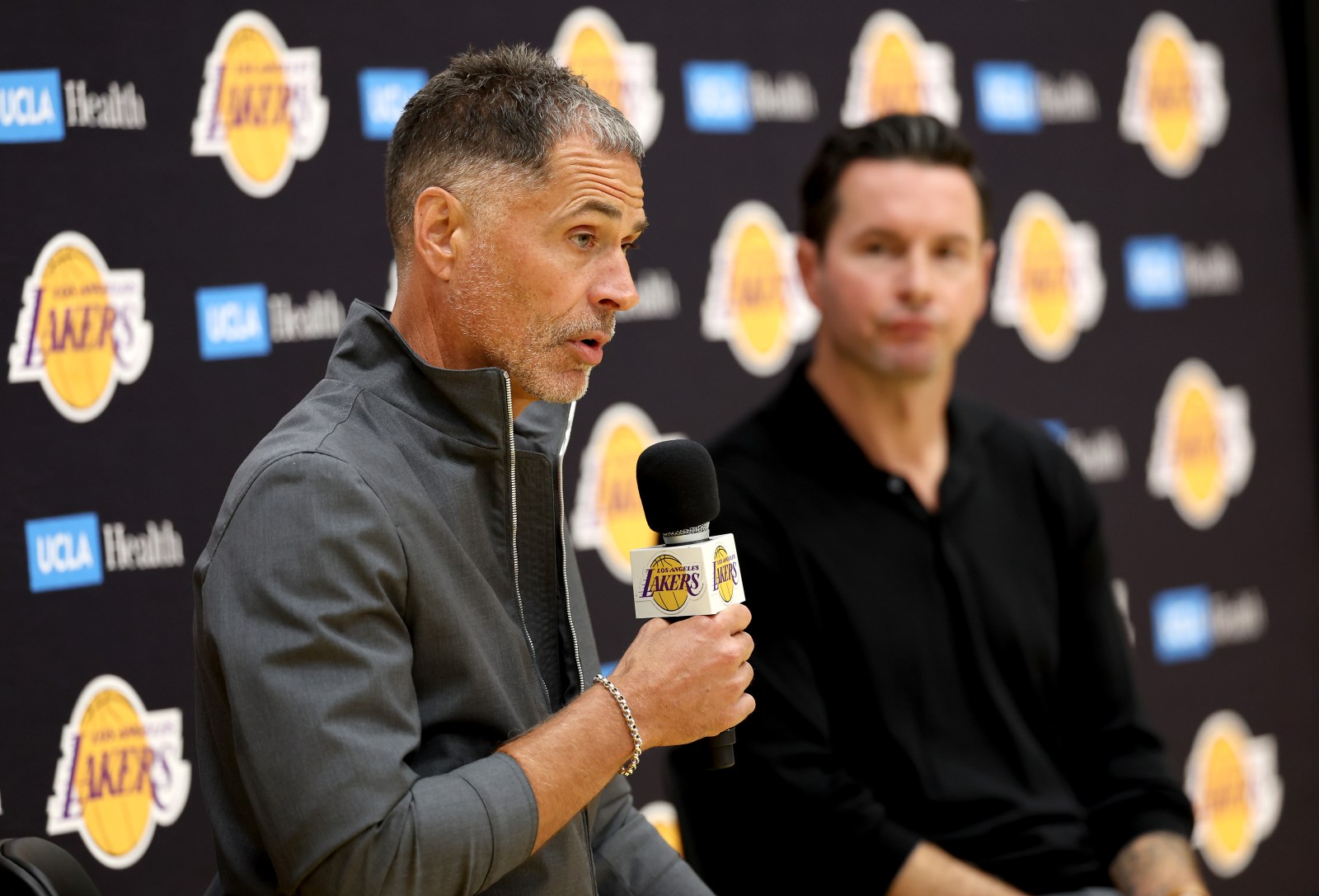
Pelinka has made it clear that this, more than anything, is what he wants to steal. He’s praised the way the Dodgers built out their front office and how their ownership refuses to spare any expense when it comes to staffing and infrastructure, not just payroll. He’s talked about wanting a basketball version of that same layered organization: more executives, more analysts, more scouting depth, and a more formal pipeline from the G League and other development channels into the main roster, mirroring how the Dodgers treat their farm system.
The ownership crossover makes this more than just a thought experiment. Back in 2012, a group called Guggenheim Baseball Management – fronted by financial executive Mark Walter and featuring Magic Johnson and longtime baseball executive Stan Kasten – bought the Dodgers for a then‑record price, immediately signaling a new era of financial strength and ambition for the franchise. Walter, as Guggenheim’s CEO, became the Dodgers’ controlling owner, and the message at the time was very clear, the new group planned to restore the team to on‑field greatness and leverage its massive market potential.
Under that ownership, Friedman’s front office has doubled down on depth and balance. Interviews with him over the years repeatedly circle back to layering the roster with quality options, developing talent from within, and building enough redundancy that injuries or slumps don’t derail the season (for example, his focus on depth and adaptable players in recent offseason discussions). That philosophy is a huge part of why the Dodgers have been able to sustain contention while still integrating younger players and juggling monster contracts.
Fast‑forward to 2021, and that same ownership DNA formally crossed over into the purple and gold. Philip Anschutz sold his 27% minority stake in the Lakers to Walter and fellow Dodgers co‑owner Todd Boehly, a deal that was approved by the NBA’s Board of Governors. An AEG announcement framed Walter and Boehly as great additions to the ownership group and emphasized that Jeanie Buss would remain controlling owner while the new partners brought serious sports‑business firepower.
Dodgers‑centric outlets quickly connected the dots laying out how Walter and Boehly’s purchase of the 27% stake essentially gave the Dodgers’ leadership group a foothold in the Lakers, along with a right of first refusal if the Buss family ever looked to sell a controlling share. In other words, the people who turned the Dodgers into a model franchise now had a direct voice – and a long‑term option – inside the Lakers’ boardroom.
Once you understand that ownership bridge, Pelinka’s comments about the Dodgers make even more sense. He’s not just complimenting a friendly neighbor; he’s talking about the standard his new bosses already set across town. Reports have framed this as a deliberate push to bring some of those Dodgers brains into the Lakers’ orbit, whether through direct hires, consulting, or simply mirroring best practices around analytics and roster construction. Pelinka himself has said the franchise is in the process of expanding and modernizing basketball operations, in line with ownership’s expectations.
On the court, you can already imagine what a Dodgers‑style Lakers team might look like. Think fewer one‑dimensional role players and more emphasis on versatility – wings who can defend multiple positions and handle the ball, bigs who can space the floor or switch, guards who can both shoot and survive defensively. That mirrors one of the core observations about the Dodgers under Friedman. They’ve consistently prioritized players who can fill multiple roles and give the manager flexibility, rather than pure specialists. Translating that to basketball means building lineups that can morph series to series and even quarter to quarter.
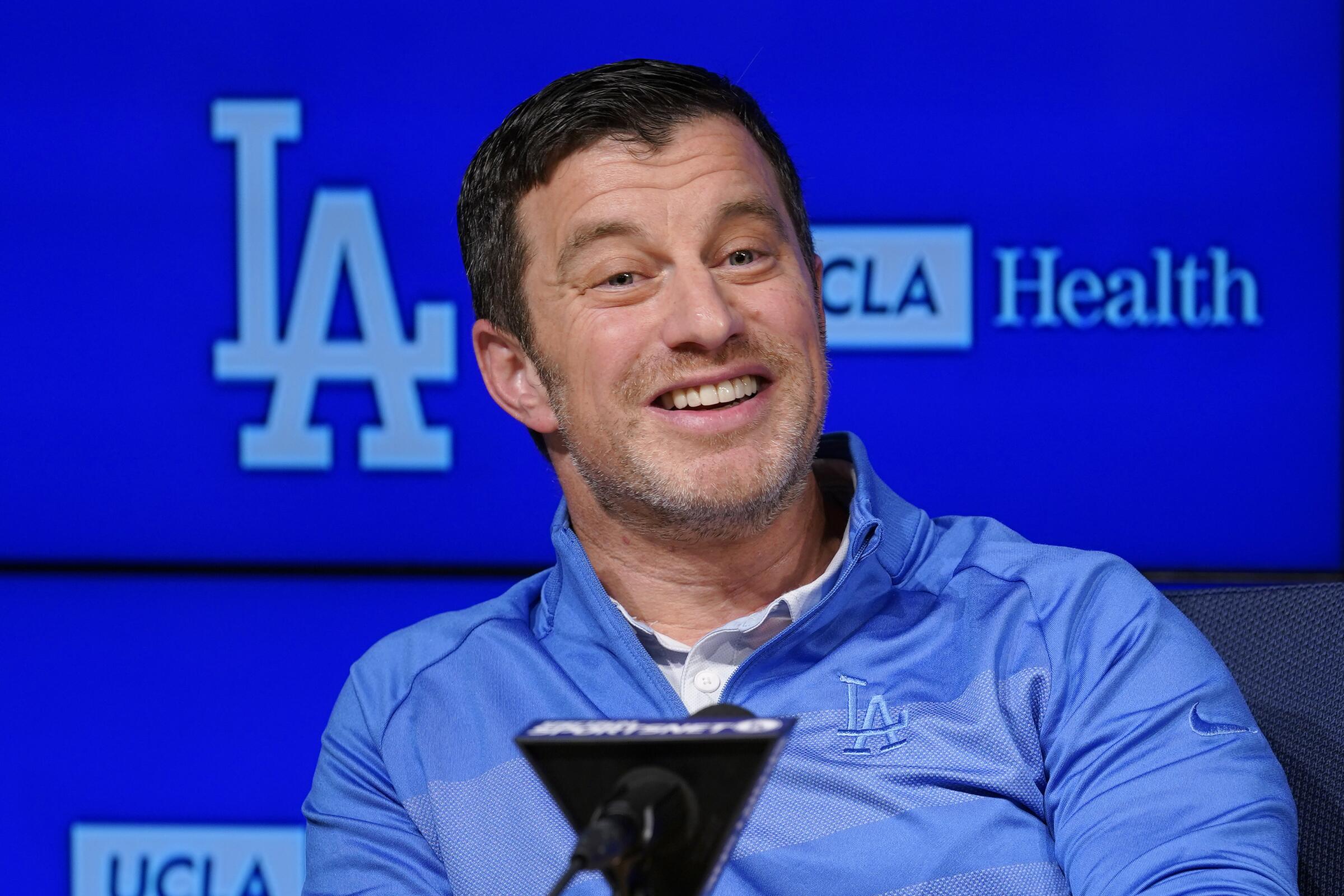
The development pipeline is another obvious area for crossover. The Dodgers have made a habit of letting prospects marinate at the right levels and then plugging them into specific roles when they’re ready, instead of rushing or discarding them. Friedman and the front office have openly tied their long‑term success to that balance between internal development and external star‑hunting. For the Lakers, that could mean taking the South Bay Lakers seriously as a true farm system, investing in coaching, analytics and individualized development plans so that late firsts, seconds and undrafted guys have a real shot at becoming playoff contributors rather than just contract filler.
Here’s the thing, folks: For fans, the potential upside of this Dodgers‑inspired approach is pretty clear. If it works, it pulls the franchise out of the boom‑and‑bust pattern that’s defined much of the post‑Kobe era and into something closer to what the Dodgers have been under Walter and Friedman. Pelinka has indicated that the Lakers will still be aggressive with cap space and draft capital – this is still L.A., after all – but pairing that aggression with robust infrastructure is how you turn a single big summer into a five‑ or ten‑year window
With that… None of this guarantees that the Lakers will suddenly become the NBA’s version of the Dodgers. Basketball is far less forgiving if you whiff at the very top of the roster, and there’s no five‑level minor‑league ladder to smooth over mistakes. But in an era where most of the league is catching up in terms of analytics and sports science, the real edge comes from how fully you commit to those ideas. The Dodgers have spent the last decade showing Los Angeles what it looks like when deep pockets meet deep infrastructure. Now the question is whether the Lakers, under an ownership group that already perfected that formula up the hill, are ready to follow that blueprint all the way through.
If you cannot play with them, then root for them!