

Sports fans sign up for wins, losses, and the occasional heartbreak, not for live therapy sessions from their favorite athletes. Yet more and more, big-time competitors are using the biggest possible stages to unload private mistakes. The recent example of Norwegian biathlete Sturla Holm Lægreid at the 2026 Winter Olympics is a perfect example of how that can go sideways fast, and it echoes what happened with Ben Roethlisberger years ago in the NFL.
Lægreid had just earned a bronze medal in the men’s 20km biathlon, a massive achievement on the world stage. Instead of talking about the race, his preparation, or his teammate’s gold, he broke down in tears and confessed on live TV that he had cheated on the love of his life, calling it the biggest mistake of his life and saying this had been his worst week. What should have been a moment about performance and perseverance instantly turned into a global relationship drama.

The fallout made clear just how unfair that move was to everyone else involved. His ex made a point of saying she did not choose to be put in this position and that it hurt to be dragged into the spotlight against her will. She didn’t ask to become part of a viral Olympic clip. Teammate Johan-Olav Botn, who actually won gold in the same race, had his big day overshadowed by someone else’s confession. Even fellow Norwegian star Johannes Thingnes Bø publicly questioned the timing and setting of Lægreid’s comments, arguing that a live Olympic interview was the wrong place for that kind of revelation.
Lægreid realized how badly he had handled the situation. And later said, deeply regrets bringing up such a personal story on such a public stage, particularly on a day meant to celebrate the Norwegian team. That’s the core problem here is athelets using a victory podium as a confessional booth isn’t just about the athlete. It hijacks a shared moment that belongs to teammates, coaches, fans, and even opponents, and it turns it into a reality-TV storyline.
Fans tune in to celebrate performance; instead, they end up watching someone process a private failure in real time. Sure, it can feel raw and human for a moment, but once the initial shock wears off, what’s left is fatigue. After a while, that kind of drama doesn’t make people feel closer to the team — it makes them tired of the circus. Instead of talking about split times, shooting accuracy, and training stories, everyone is dissecting text messages, affairs, and breakups. That erosion of focus is exactly how fans quietly drift away.
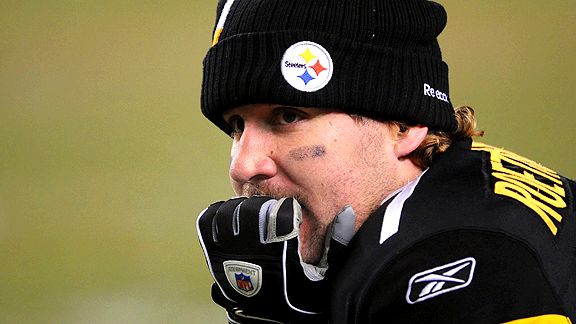 Ben Roethlisberger’s saga with the Steelers is a different version of the same issue. After being accused of sexual assault in Georgia in 2010 — charges were ultimately not filed — Roethlisberger stepped in front of cameras to apologize to fans and talk about immature mistakes off the field. When ESPN interviewed him he said he had lost track of who he really was and gotten caught up in the “Big Ben” persona, promising to “make better decisions” and be a better role model. On one level, that sounds like accountability. On another, it turns a deeply serious off-field situation into a scripted media segment.
He followed up later with more public comments about being dumb and immature, again framing his off-field behavior as something to be managed in front of reporters and cameras, as covered here. For Steelers fans, it became exhausting. Instead of just talking about third-down conversions and playoff pushes, the conversation kept circling back to Roethlisberger’s conduct hearings, suspension, and image-rehab tour. The team’s brand and the locker room culture felt like they were constantly under review.
That’s where the line needs to be clearer. Taking accountability is crucial, but not every act of contrition belongs on a live broadcast. Lægreid absolutely owed honesty to his partner, and Roethlisberger owed explanations to the league, the organization, and the people directly affected by his behavior. But dragging those conversations onto a global stage blends personal repair with brand management. It starts to feel less like genuine remorse and more like content.
There’s also a basic fairness issue. Partners, accusers, families, and teammates have zero control when an athlete decides to pour everything out in front of cameras. Lægreid’s ex didn’t get to set boundaries before her heartbreak was turned into a worldwide talking point, and she made it clear that publicity added to the pain. Steelers teammates didn’t get a vote before their offseason became about Roethlisberger’s suspension instead of football. When athletes go public about private wrongs, they often rope in people who never agreed to be part of the spectacle.
From a fan’s point of view, the constant drama becomes a barrier. Fans want to believe in the logo on the jersey and helmet. They want to brag about their team’s toughness, discipline, and focus. When that logo keeps surfacing in headlines about infidelity, accusations, or off-field chaos, it chips away at that pride. People start to associate the team not with the joy of game day but with awkward press conferences and crisis-management statements.

That’s why keeping these wrongdoings private — handled quietly but seriously — isn’t about hiding the truth. It’s about choosing the right audience and the right process. Deal directly with the people who were harmed. Answer to the league or federation behind closed doors. If a public statement is necessary, keep it short, clear, and focused on actions, not emotion. What doesn’t help anyone is turning a medal ceremony or locker-room podium into a dramatic monologue about one’s love life or moral journey.
There is also a long-term cost to this new norm of oversharing. Once fans get used to emotional confessions on camera, they start questioning motives. Is this apology about the person who was hurt — or about reshaping a brand? Is this honesty, or just the next PR step? That skepticism further distances fans from both the athlete and the organization. When people stop taking these moments seriously, even genuine accountability loses power.
Here’s the thing folks: We need to realize athletes are human, and humans mess up. That will never change. But not every mistake deserves a microphone. Sturla Holm Lægreid’s Olympic interview and Ben Roethlisberger’s public mea culpas show how a good intention — owning up in front of the world — can backfire, dragging others into the spotlight and turning teams into soap operas.
With that… If the goal is to keep fans engaged and proud of the badge, the better move is simple; fix the damage in private, respect the people involved, and let the public stage go back to being about the sport, not the scandal.
If you cannot compete with them, then continuing to root for them sometimes becomes questionable.