
I’m enough of a soccer-phile to at least have an appreciation for the greatness of teams outside of the U.S., but I confess that I largely use those international games as white noise during daytime hours when I’m at home. I do tend to pick up interest when the UEFA Champions League matches unfold, and I’ve learned in Europe those matches are often treated with greater importance than their domestic leagues’ regular seasons are.
But along with some other far more hardcore fans, we’re learning that they may not be quite the gold standard we’ve been conditioned to think. As the LOS ANGELES TIMES’ Kevin Baxter observed this morning, we’re getting quite an education thanks to a newly expanded tournament:
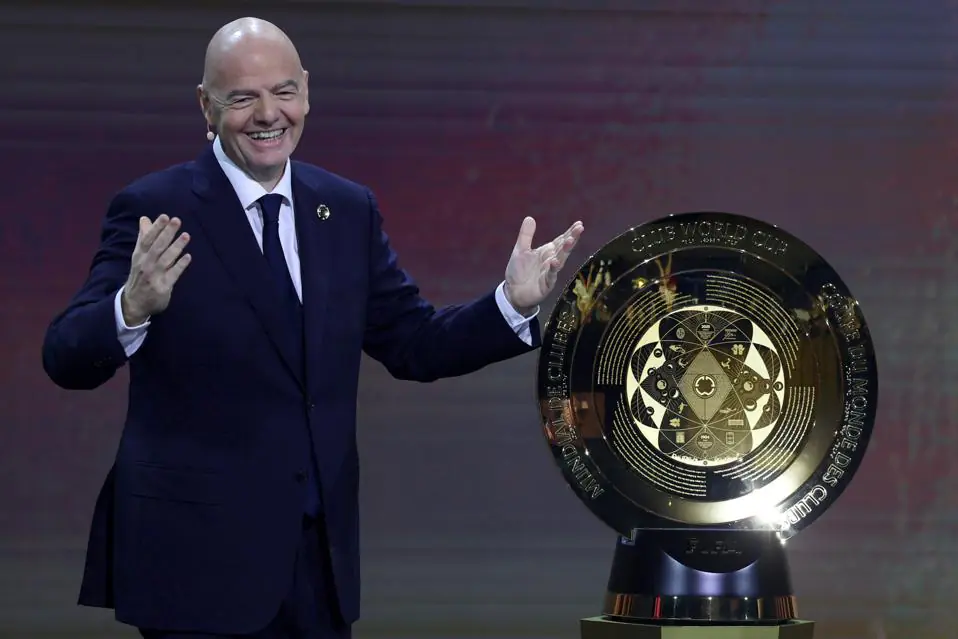 Heimo Schirgi’s first big job in soccer was as head of operations for UEFA, the largest and most influential of the global game’s six geographic confederations. Part of that job involved planning and managing the UEFA Champions League, the largest and most influential club soccer competition in the world. So when Schirgi moved into his current job as FIFA’s chief operating officer for the World Cup, he brought with him the knowledge that the Champions League, for all its prestige and gravitas, also had one weakness: its field was limited to the 55 soccer-playing countries of Europe. “You have all these club competitions on a confederation, continental level, right?” he said. “But you don’t have it on a global level. You never had clubs from South America competing against European clubs in a serious tournament with high stakes. “I’m personally interested how the rest of the world’s clubs are going to fare. There’s only one way to find out.”
That one way is the FIFA Club World Cup, which kicked off in the U.S. 10 days ago. And while the tournament has many flaws, it has gone a long way toward answering Schirgi’s curiosity. Europe, it seems, isn’t so dominant after all. Paris Saint-Germain, the reigning European champion, lost to Botafogo, currently eighth in Brazil’s Serie A. Iconic English club Chelsea was beaten handily by Flamengo, another Brazilian team. Mexico’s Monterrey played Inter Milan, the Champions League runner-up, to a draw. Real Madrid, Europe’s most decorated club, tied Al Hilal, which finished second in the Saudi Pro League. And Spanish power Atlético Madrid, which made the round of 16 in the Champions League, didn’t even make it out of the group stage.
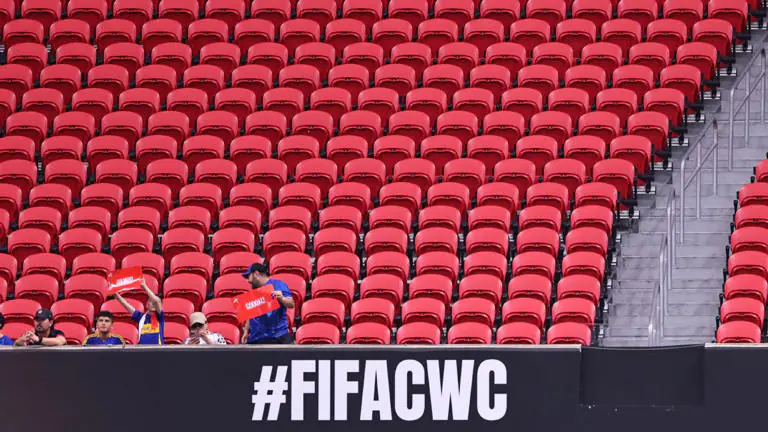
Not that there’s a lot that are in place to actually see this lesson being taught, as ESPN.com’s Jeff Carlisle observed yesterday:
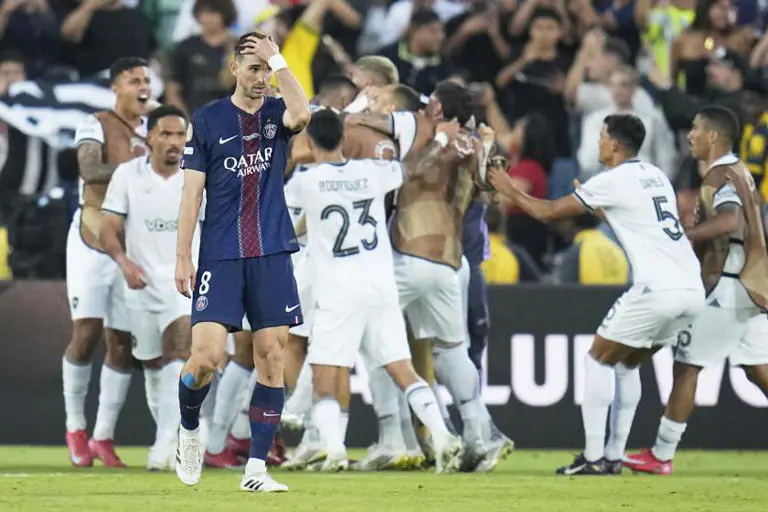 While a match between reigning UEFA Champions League holders Paris Saint-Germain and LaLiga‘s Atlético Madrid drew 80,619 fans to Pasadena’s Rose Bowl, an evening encounter involving South Korean side Ulsan HD and Mamelodi Sundowns of South Africa drew a paltry 3,412 fans to Orlando’s Inter&Co Stadium. Even better-attended games have suffered from poor optics. A match between Chelsea and LAFC drew 22,137 fans who were all but swallowed up in Atlanta’s 71,000-capacity Mercedes-Benz Stadium. On Thursday, FIFA announced an average attendance of 34,773.
You might be quick to think that those fans might be distracted by the far more established CONCACAF Gold Cup, where the USMNT has actually gotten off a decent start. But Carlisle reports they’re suffering from a bout of indifference of their own:
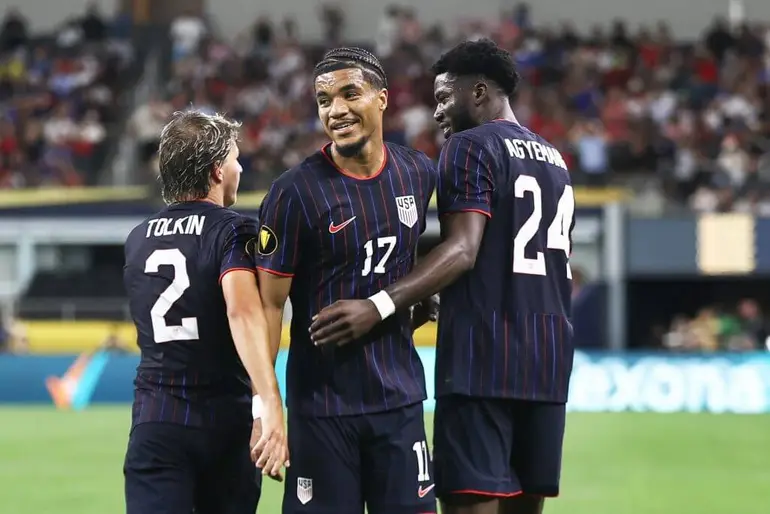 The Gold Cup has had its share of poorly attended games as well. A doubleheader involving Haiti and Saudi Arabia, followed by a match between Costa Rica and Suriname, drew just 7,736 fans to San Diego’s Snapdragon Stadium. Games involving the USMNT, which Concacaf usually counts on to bolster attendance, haven’t gotten fans excited either. The match between the U.S. and Trinidad and Tobago drew just 12,610 on a picture-perfect afternoon at San Jose’s PayPal Park. Thursday’s USMNT match in Austin, Texas against Saudi Arabia drew even less; just 11,727. Keep in mind that these numbers are “tickets distributed” and don’t necessarily reflect the number of actual fans in the venue.