

It’s hard to separate the Atlanta Braves from the calm, steady figure in the dugout wearing No. 6, arms folded, watching everything – Bobby Cox felt like part of the game itself. His career is one of those stories that sounds almost impossible when you lay it out in full. A modest playing career, a grinding apprenticeship in the minors, and then a managerial run that set standards most franchises still dream about matching.
Cox’s path started far from the bright lights, born in Tulsa in 1941 and raised in California’s San Joaquin Valley, where he was good enough to sign with the Los Angeles Dodgers as an amateur free agent in 1959. He bounced around the minors as a second and third baseman, the type of player who had to scratch for every opportunity, before finally reaching the majors with the New York Yankees in 1968. Even when bad knees shortened his time as a big league third baseman, he turned that setback into a springboard toward managing, carving out a winning record and two league titles in the Yankees’ farm system.
You can see the roots of the Hall of Fame manager in that early coaching grind. He paid his dues, learned how clubhouses worked from the inside, and even coached third base for the 1977 Yankees as they charged to a World Series title. By the time Ted Turner asked him to manage the Braves in 1978, Cox already had a reputation as a baseball lifer who understood both the front office and the players’ side, an ideal mix for a franchise looking for direction.

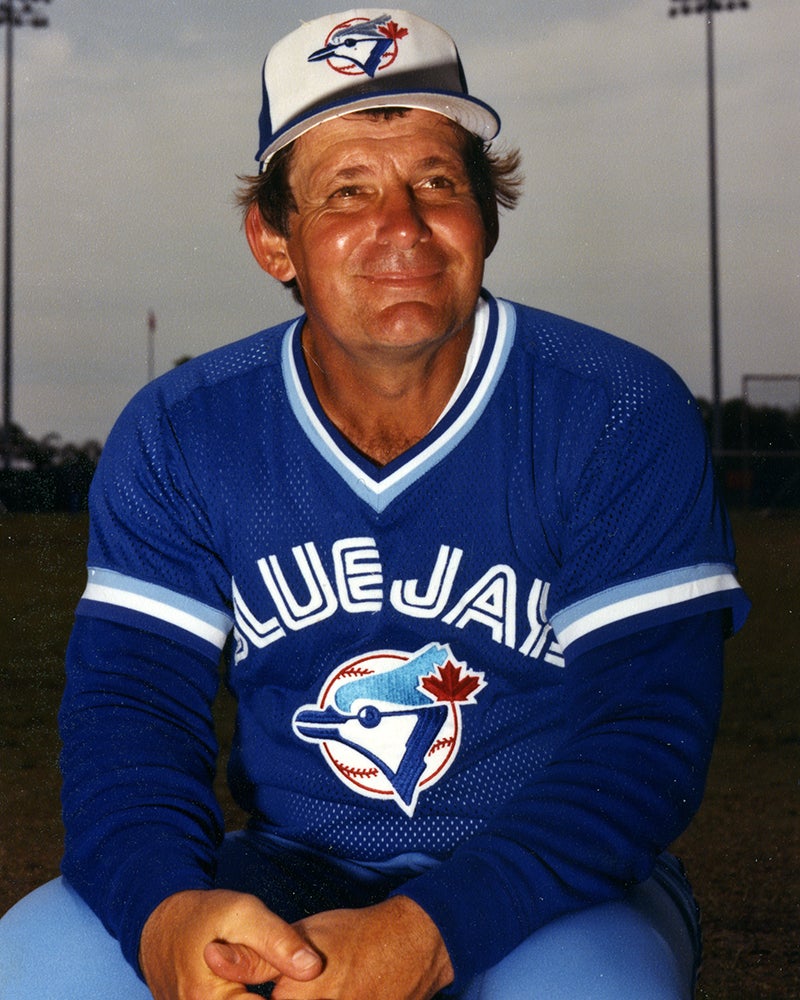
His first stint in Atlanta was just the warm‑up act. The real transformation began after he went to Toronto, where he took a young Blue Jays club and nudged them forward every season, delivering the franchise’s first winning record in 1983 and its first division title in 1985. That success in Canada proved he wasn’t just a good baseball man; he was someone who could build a culture from the ground up and have it actually show up in the standings.
When he returned to the Braves, first as general manager and then again as field manager in 1990, you could feel something building even before the wins really arrived. As GM, he helped lay the foundation that would define an era, trading for John Smoltz, drafting Chipper Jones, and fostering the development of Tom Glavine – three future Hall of Famers who became the core of a dynasty. When he moved back into the dugout, that pipeline of talent suddenly had the perfect steward.
From there, the numbers almost blur together because they’re so overwhelming. Starting in 1991, the Braves reeled off a record 14 consecutive division titles, a streak unmatched in any major professional sport, while winning five National League pennants and the 1995 World Series. Along the way, his teams posted six 100‑win seasons, and he became the first National League manager to hit that 100‑win mark at least five times. It wasn’t just a good run; it was an entire generation of baseball where Atlanta penciled itself in as a contender before Opening Day.
Cox’s personal résumé fits that dominance. By the time he retired after the 2010 season, he had 2,504 wins over 29 years as a big league manager, ranking fourth all‑time, with 2,149 of those victories coming with the Braves. He managed more postseason appearances than any skipper before him, reaching October 16 times and becoming the first since Casey Stengel to qualify at least ten times. He stacked up four Manager of the Year Awards – the first to win in back‑to‑back years in 2004 and 2005 – and earned additional recognition from outlets like The Sporting News for his sustained excellence.
But if you ask players and fans what they remember most, they usually don’t start with the numbers. They talk about how his teams always seemed prepared, how he trusted his guys, and how young players were allowed to grow without being buried under panic or drama. Cox had a folksy, steady presence – intense between the lines, but unfailingly loyal – that made players want to play for him and made Atlanta feel like a destination, not a stepping‑stone. For a city that was still figuring out its identity as a baseball town, that kind of stability was priceless.
The 1995 World Series title stands as the crown jewel of his career and of Braves history, delivering Atlanta its first major professional sports championship. That group, built and guided by Cox, blended homegrown arms with a deep lineup and showed exactly what his philosophy could produce at its peak. The Braves had disciplined pitching, smart defense, and just enough offense in the biggest moments. Even today, when people run through the great championship teams of the era, that ’95 Braves club comes up as a model of how to build around elite starting pitching and a unified clubhouse.
Baseball eventually gave him its highest honor. In 2014, Cox was inducted into the National Baseball Hall of Fame, fittingly going into Cooperstown alongside two of his longtime aces, Greg Maddux and Tom Glavine. The scene was a sea of Braves fans and tomahawk chops, a celebration not just of one manager but of an entire chapter of baseball that he helped author. It felt right that the man who had spent so long in the dugout, quietly steering his teams through season after season, finally had his day on that stage.
In the years since he left the dugout, the stories about Bobby Cox have only reinforced the picture the numbers paint. He was a manager a manager who won big, stayed humble, and left behind organizations and players better than he found them. For Braves fans, and really for anyone who loves the game, his legacy is simple and profoundly positive – he showed what it looks like when a franchise finds the right leader and lets him do what he does best for a very long time.
May Bobby Cox — May 21, 1941 to May 9, 2026 — rest in peace.